
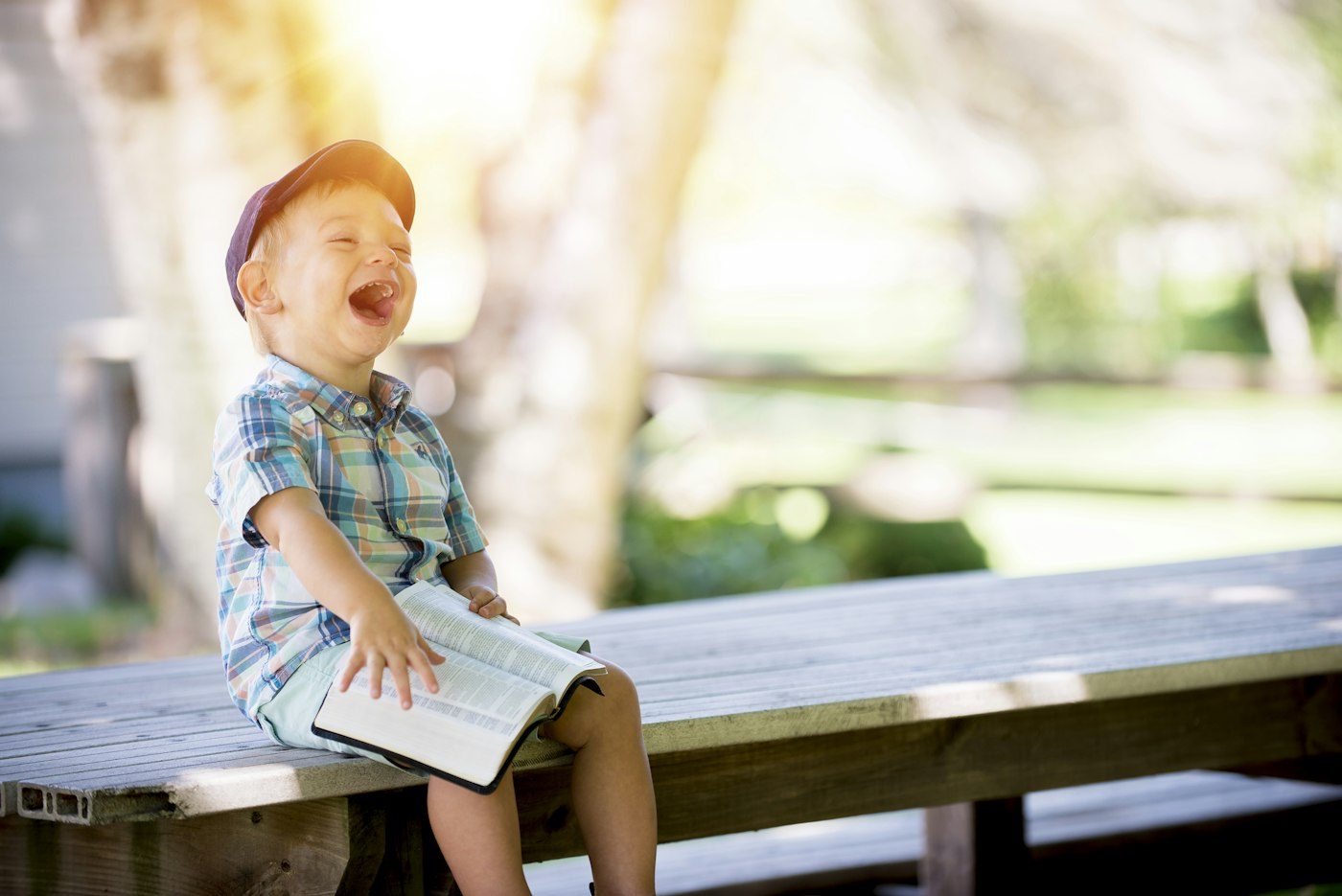
Why short outdoor bursts matter
Fresh air and movement regulate sensory systems and mood. Twenty minutes after school can reduce homework friction and screen battles. Think of it as a nervous-system snack.
No-prep ideas (yard, driveway, sidewalk)
- Timer races: run to the mailbox and back
- Sidewalk chalk obstacle course
- Animal walks (bear, crab, frog jumps)
- “Find 5 things” scavenger colors
- Bubble chase
- Balance-beam curb walks (with spotting)
- Dance party on the porch
Keep a “go basket” by the door: chalk, bubbles, a ball, jump rope. Friction kills habits; baskets save them.
Apartment and small-space options
Stair climbs with a grown-up, courtyard laps, playground sprints, or a brisk walk to the corner store counting red cars. Nature isn’t required—outside air and stride length are.
Make it part of the routine
Park outdoor time right after snack in your after-school routine. When kids know outdoor play comes before recreational screens, buy-in rises—pair with clear screen time boundaries.
Weather backups
Rain: puddle stomps in boots, covered porch games, or “window weather watch” plus indoor heavy work (pillow forts, wall pushes). Cold: layer and do shorter loops; movement still counts.
Micro-adventures with almost no gear
Walk a different block. Sit under the same tree and notice three changes. Collect interesting leaves and leave them outside (less mess). Shadow tag near sunset. Nighttime flashlight walks for older kids turn twenty minutes into magic without tickets or sugar.
Safety without fearmongering
Quick checks: shoes tied, water in warm months, reflective bits near dusk, and clear street rules. Then step back. Hovering commentary (“be careful!” every ten seconds) raises anxiety more than safety. Spot from a porch when age-appropriate.
Ideas by energy level
High energy: suicide sprints on the driveway (rebrand as “rocket runs”), soccer shots on a garage target, jump-rope challenges. Medium: chalk cities, nature photography with a parent phone, balance games. Low: sidewalk sitting with binoculars, cloud stories, watering plants. Matching the day’s energy prevents fights about “going outside.”
Invite a neighbor (optional)
A standing Tuesday sidewalk playdate multiplies joy without hosting a full party. Keep it short and recurring. Community is a cheat code for consistency—kids drag you out when friends are waiting.
If social batteries are empty, solo family outdoor time still counts. Don’t wait for the perfect playdate infrastructure.
Twenty-minute circuits you can repeat
Circuit A: 3 minutes stretch, 5 minutes chase/tag, 5 minutes ball skills, 5 minutes free play, 2 minutes water. Circuit B: sidewalk chalk draw a town for 10, “drive” toy cars through it for 5, tidy chalk for 5. Circuit C: walk-and-talk loop around the block answering one silly question per corner.
Repeat favorites until kids lead them. Ownership is the goal. When they invent the game, you become the facilitator—and consistency skyrockets.
Track mood, not steps. If evenings get kinder, the outdoor snack is working—even if Strava wouldn’t be impressed.
For babies and toddlers tagging along, a carrier walk or stroller loop still gives older siblings movement while younger ones nap or look at trees. Multigeneration outdoor time counts.
Put it into practice this week
Fill a go-basket tonight: chalk, bubbles, a ball. After school tomorrow, set a twenty-minute timer before any recreational screens. Join for the first five minutes to start momentum, then step back. Ask afterward which game they want tomorrow. When kids plan the next outdoor snack, you’re no longer the entertainment director—you’re the door-opener. That shift is how short outdoor time survives busy seasons.
Seasonal swaps so it never gets stale
Spring: puddle rules and worm watching. Summer: water table or hose sprinkle races (on grass, not wastefully forever). Fall: leaf piles and acorn counts. Winter: snowball targets on fences, or brisk “penguin waddles” when snow is scarce. Rotate the go-basket contents with the season so the same twenty minutes feels new.
Keep a dry towel and spare socks by the door. Logistics problems end more outdoor streaks than bad weather does.
A closing reminder
Keep expectations kind. Progress in family systems is usually quiet and cumulative. Choose one next action, schedule it, and let the rest wait. You are allowed to make this simpler than the internet suggests. Useful beats impressive. Consistency beats intensity. When you miss a day, restart at the next cue without a speech. Kids learn from how we recover as much as from how we plan. Share the load with a partner or friend when you can. Protect sleep and snacks; many “behavior problems” are logistics problems in disguise. Revisit your plan monthly and keep what works. Discard what feels like performative parenting. Return to the basics whenever life gets loud: one cue, one small action, one kind reset. Return to the basics whenever life gets loud: one cue, one small action, one kind reset. Return to the basics whenever life gets loud: one cue, one small action, one kind reset. Return to the basics whenever life gets loud: one cue, one small action, one kind reset.
The bottom line
Outdoor play ideas for busy parents don’t require elaborate setups—just a door, a timer, and a few defaults. Twenty minutes, most days, changes the temperature of the whole evening.