
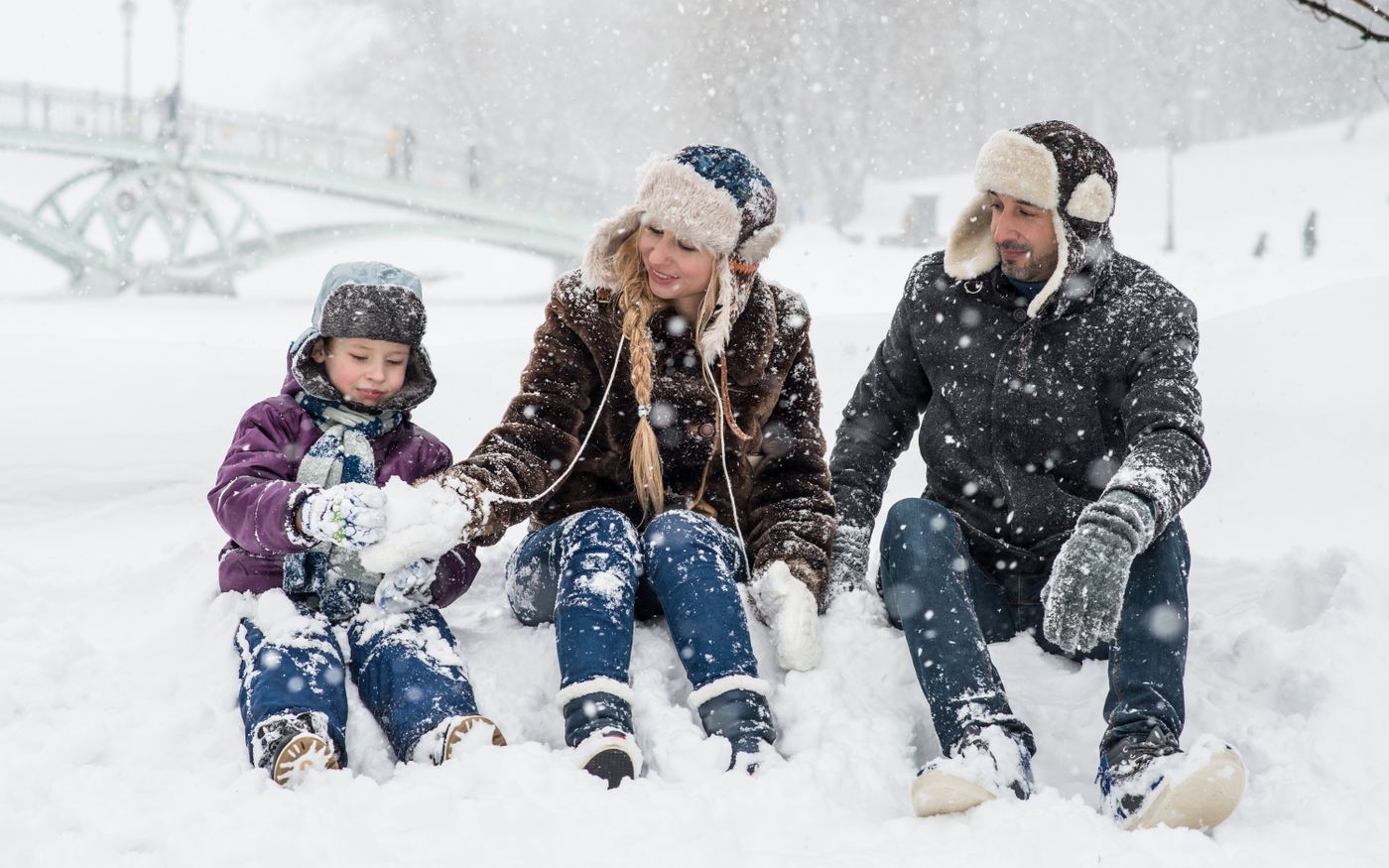
Why kids refuse coats
Kids don’t refuse coats just to test you, even when it feels that way in the doorway. A winter coat can feel stiff, scratchy, tight in the shoulders, or simply too warm after two minutes in a heated house or car. Many toddlers also hate the pause: play was happening, and now someone is wrangling a zipper under their chin.
Once you know whether the problem is fit, temperature, or control, the fight usually shrinks. The goal isn’t a lecture about frostbite. It’s a coat that goes on fast enough that you still make it out the door.
Fit and feel matter more than you think
Let your child try the coat on in the store or living room and move around: sit, reach up, squat, turn their head. If they can’t lift their arms or the collar rubs, they will peel it off on the porch. Check these details:
- Sleeves that actually bend. Stiff ski-style coats look warm and feel like armor to a 3-year-old.
- A zipper they can help with, or a zipper garage so the pull doesn’t scrape their neck.
- A lining that isn’t scratchy. A cheap tag at the collar has ended more mornings than the weather has.
- The right weight for the day. A heavy parka for a 40-degree walk to the car is a common reason kids say, “I’m not cold.”
If you can, keep two options: a lighter fleece or softshell for milder days and car trips, and a warmer coat for playground time and wind. Offering “the blue coat or the red fleece” is a real choice. “Are you going to put your coat on?” is not.
The car-seat rule you shouldn’t skip
A bulky coat should not stay on in the car seat. In a crash, the fluff compresses and leaves the harness too loose. The safer habit: coat off (or unzipped and open) for buckling, harness snug against clothing, then put the coat on backward over the straps, or use a blanket over the harness. This is also why a lot of “coat fights” start in the driveway—you’re asking them to put on a puffy jacket and immediately take it off. Tell them the plan in one line: “Coat to the car, then it comes off for the seat, then the blanket goes on.” Practice it once on a calm afternoon so it isn’t a new rule in the rain.
Scripts that work in the doorway
- “We’re putting coats on, then we go.” A when/then beats a lecture.
- “You pick: blue coat or red fleece.”
- “You can carry it to the car and put it on outside.” For kids who overheat indoors, this is often the whole fix. The coat still leaves the house.
- “I won’t make you wear it on the playground if you stay comfortable. If I see shivers or red hands, the coat goes back on.” Then follow through calmly.
Skip “You’ll catch a cold,” which isn’t how colds work and invites an argument. Skip a long explanation about wind chill. If they’re already in a full protest, this is a body-boundaries moment more than a logic moment: put the coat in the bag, move to the car, and try again in the colder air. For public-doorway meltdowns, the same calm scripts in our toddler tantrums guide apply.
Layering without the wrestling match
Do the slow layers inside, in this order: shirt, sweater or fleece, then coat last and closest to the door. Put mittens on with a clip or through the sleeves before the zipper, or you’ll do the whole coat twice. A hat in a pocket beats hunting for it on the porch.
For school or daycare mornings, stage the gear the night before on a hook or in a bin by the door—the same idea as our school morning launch pad. If a teacher has to redo a zipper in the cubby every afternoon, ask what style they can actually get 15 kids into. Easy zippers beat a gorgeous coat that only you can fasten.
Outdoor play vs. the walk to the car
These are different jobs. A child may be fine in a fleece for a two-minute walk to a warm car and still need a real coat for a 20-minute park trip. Say so: “This is a playground coat day.” Take a backup coat in the bag if they’re the type to refuse and then freeze. Once they’re cold, they’ll often accept it if you offer it without an “I told you so.”
If winter is when your family stops going outside, shrink the outing instead of skipping it. A 15-minute snow play or sidewalk walk still counts—see our 20-minute outdoor play ideas for short resets that work in cold weather too. Come in for cocoa before anyone is miserable, and the next coat conversation gets easier.
Coats are easier when the rest of the outfit is already decided and mostly on. See teaching kids to get dressed for the everyday version.
The coat fight is one piece of a snow day; the rest is a short outing and a way to get dry. See snow days with kids.
Summer has its own door habit, and it is just as easy to skip. See teaching kids to put on sunscreen.
The curb is a bad place for a coat fight. See a school-bus routine for kids.
This guide is also listed in our holiday and season guides.
Quick FAQ
What if they swear they are not cold?
You can still require the coat or layers for the walk to the car or the wait at the stop. Once they are running around outside, a layer they can unzip is easier than a fight every time.
Why does the coat come off in the car seat?
Bulky coats are not safe under harness straps. Use thin layers in the seat and put the coat on over the harness or after you arrive. This is a safety rule, not a preference.
What actually helps in the doorway?
A coat that fits, a short script, and time to put it on before you are late. Wrestling in the doorway usually means the morning started too tight. See getting dressed for the larger skill.
The bottom line
Fix the fit, give two choices, take bulky coats off for the car seat, and let kids carry the coat to the door if the house is warm. A smaller fight in the hallway is usually a comfort problem plus a control problem—not a child who wants to be cold.