
A zoo day is a short loop, not a map you have to finish
A zoo or a petting-farm visit works when you pick a few animals, a snack, and an exit, not when you try to see every enclosure. This is a different outing from a museum visit: more walking, more weather, more washing of hands after touch areas, and often a snack earlier than you planned. It is also different from getting a pet. The animals stay at the zoo.
Look at the map at home or at the gate and choose two or three must-sees plus one flexible stop. Go when it opens if you can, or late in the afternoon if your zoo is cooler then. Midday heat and peak crowds make a toddler melt faster than a missed exhibit. Bring a stroller or carrier even for a kid who “doesn’t need it,” because the paths are long.
Pack for weather, snacks, and a hand wash
Pack water, a familiar snack from easy toddler snacks or a simple picnic, sun protection—see putting on sunscreen—hats, and a change of shirt if there is a splash pad. Wear shoes they can walk in, not new stiff ones. A small backpack they can carry for a water bottle is enough; you don’t need a full school pack.
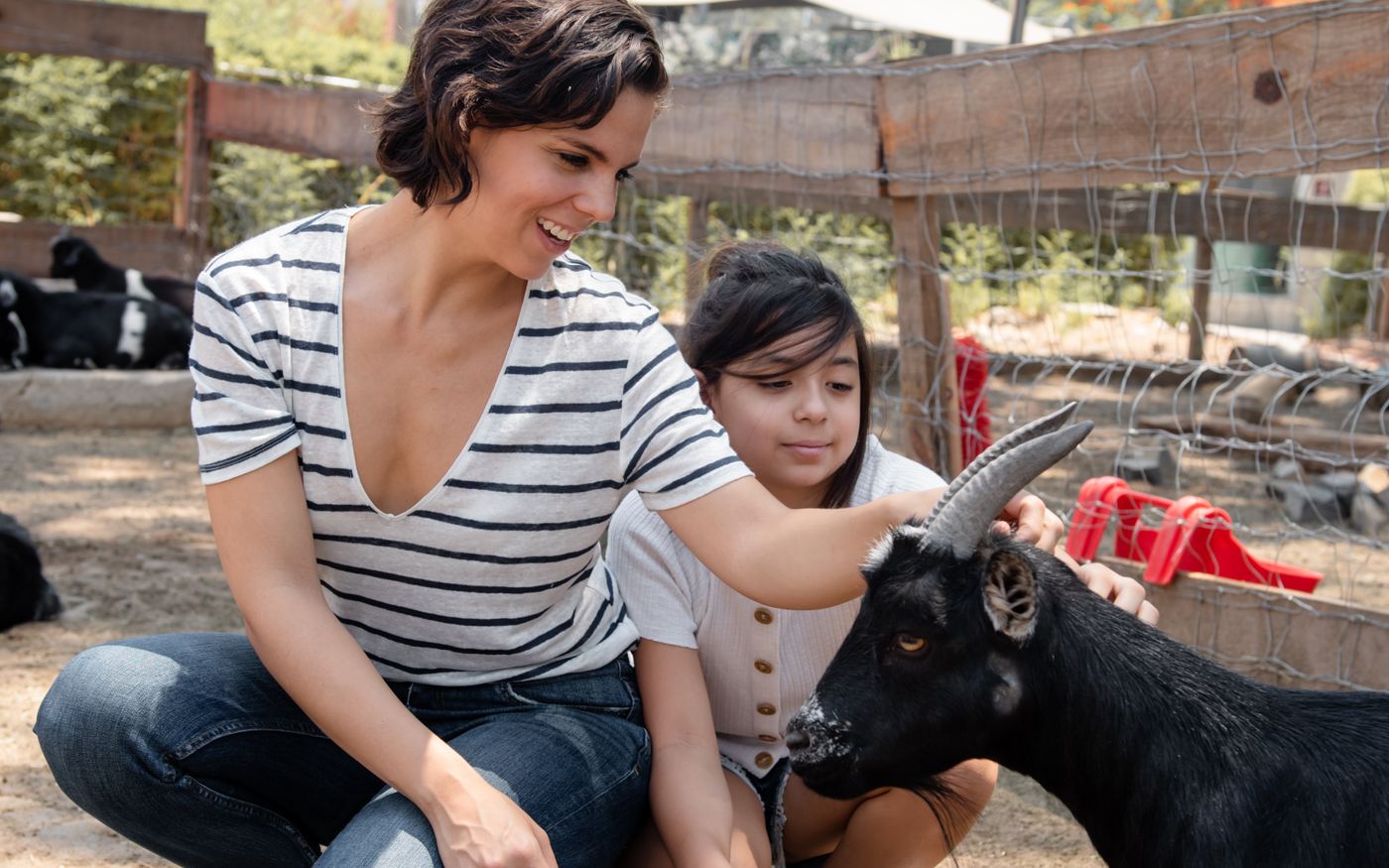
Read the zoo’s rules on strollers, food, and touching. In a petting area, wash or sanitize after, keep fingers out of mouths, and follow the staff about food and photo lines. Don’t lift a child over a rail for a picture. If there is water, use the same water safety idea: a grown-up watching, not a phone doing the watching.
Talk before you go about what you’ll do if an animal isn’t out, if a path is closed, or if someone is scared. It’s all right to skip a loud or dark house. It’s all right to look from farther back. A child who is done is done; another loop later, or another day, is kinder than a forced last barn.
While you’re there, keep the day short and specific
Name what you’re going to see next, not the whole list. Sit down to eat, even on a bench, before anyone is wrecked. Gift-shop and ice-cream decisions are easier if you already set a rule: one small thing, or a photo, or nothing today. A wants-versus-needs line is useful at the exit shop.
If they want to “feed all the animals,” follow posted rules and staff only. Don’t offer outside food over a fence. If a child is loud at a quiet exhibit, step back rather than shaming them in the path. A short stretch at a playground on the grounds, if there is one, can reset the day the way a 20-minute outdoor burst would.
Take a picture if you want, then put the phone away long enough to actually look. Ask one question: “What do you notice?” is enough. You don’t need a lesson plan. If they want to sketch or just watch, let that be the visit.
When to leave, and how to try again
Leave while it’s still okay, or as soon as it’s clearly not. A nap in the stroller on the way out is a win, not a failed last exhibit. If the day was too long, next time pick a smaller place, a petting farm, or one wing of a big zoo. Memberships only pay off if you’ll go for short visits, not only for a once-a-year marathon.
Wash hands again in the car or at the exit, especially after a touch area. A simple dinner at home—even leftover sandwiches—beats a tired restaurant if everyone is already cooked. Talk about one favorite animal on the way home, and let that be the memory.
Some kids will be scared of a particular animal or of a loud train. You can go around, watch from farther away, or skip it. Forcing a close look to “get over it” often makes the next visit harder. You can always come back.
If someone in the family uses a wheelchair or a stroller, check the zoo’s accessible paths and rest rooms before you pick a loop. A shorter, flatter route is a better day than a “must-see” hill you can’t actually use. The same is true for a stroller on gravel: look at the map and skip the worst path.
An aquarium is the indoor, darker cousin of a zoo loop, with more standing still. See aquarium visits with kids.
Fair livestock barns are a short animal stop, not a zoo map. See county fair with kids.
This guide is part of our travel and outings guides, where related pieces are grouped in one place.
You do not have to see every engine, just as you do not have to finish a zoo map. See fire-station visits with kids.
Quick FAQ
Do we need to see the whole zoo?
No. Pick a short loop of a few animals and leave while it is still going well. A finished map is not the goal.
What should we pack?
Weather layers, snacks, water, and a way to wash or wipe hands after touching rails or snack food. A stroller or carrier helps more than a long activity bag.
When should we leave?
When the youngest is done, when the weather turns, or when the next “one more animal” is really a stall. You can come back.
The bottom line
A zoo visit with kids works when you choose a short loop, pack water and a snack, follow the touch-and-rail rules, and leave before anyone is wrecked. Two or three animals and a sit-down snack will beat a map you try to finish. The visit you can repeat is the one that counts.