
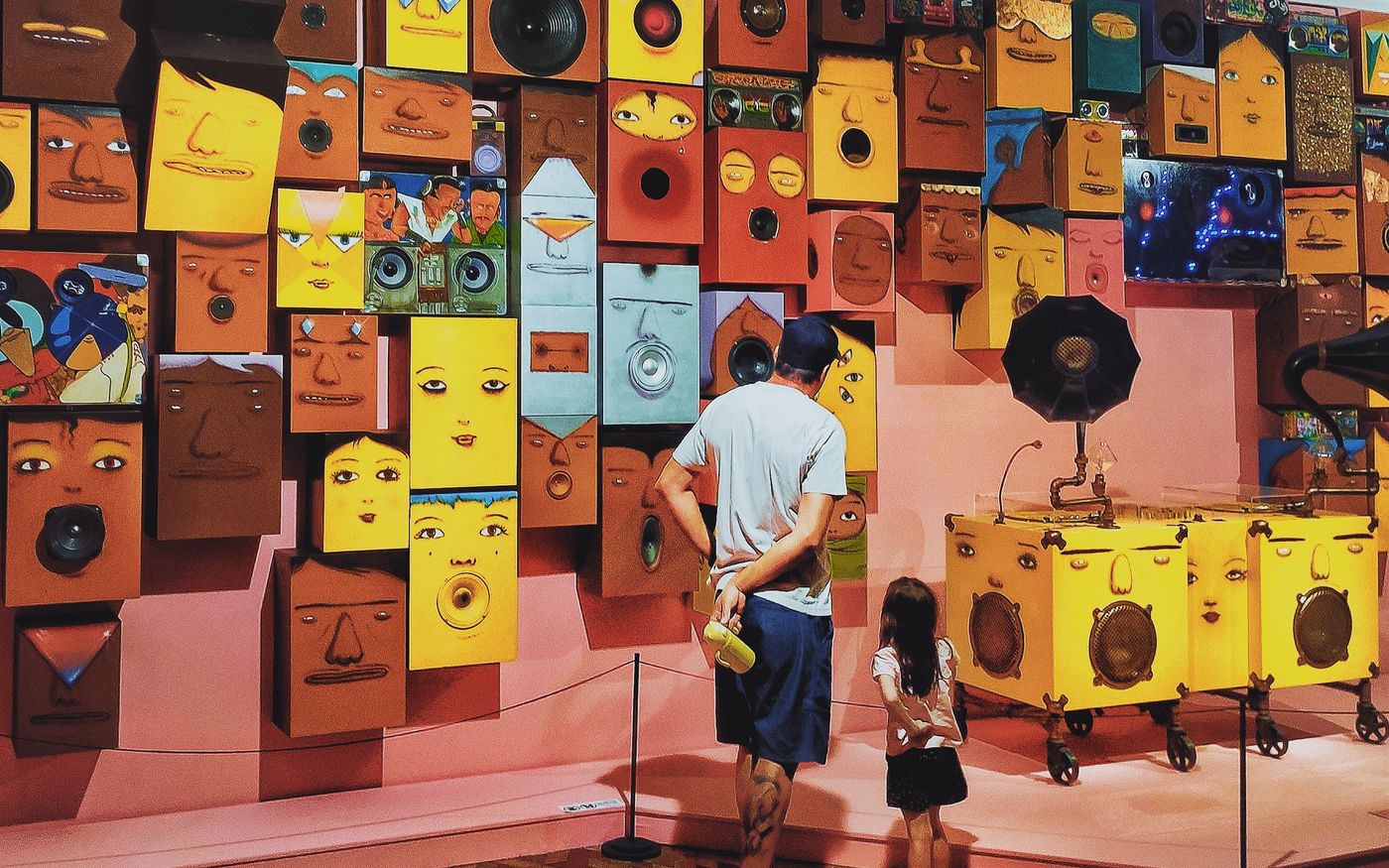
A short museum visit is a successful one
A museum with kids does not have to be a quiet march past every label. It can be an hour, two or three rooms, and a snack on the way out. The goal is a visit you’ll repeat, the same idea as our guide to library visits with toddlers: preview a few rules, let them choose a little, and leave before anyone is exhausted.
Pick a place that fits the age in front of you. A children’s museum or a science floor with things they can touch will go farther than a hushed gallery of small paintings, at least at first. A natural history hall with big animals, a colorful special exhibit, or a single favorite room in a larger museum is plenty. You can always come back.
Preview the plan, and pack like it’s an outing
On the way, say what will happen: “We’ll look at some big paintings (or dinosaurs, or airplanes). We’ll use walking feet and quiet voices. You can pick two things to look at slowly, then we’ll have a snack and go home.” If they have to check a bag or skip a snack inside, say that before you’re at the desk.
Pack a snack and water for after you exit, or for a designated café or courtyard. Bring a small notebook or a few crayons if the museum allows sketching. Wear comfortable shoes and a layer; galleries are often cold. If strollers are allowed, use one for a toddler who still needs a ride between rooms. If they’re not, pick a shorter visit.
Inside: choose, notice, and don’t tour the whole building
Let them lead sometimes. “Which room should we try first?” is a real question. Stop at the thing that actually caught their eye, even if it isn’t the famous one. Ask what they notice: color, size, a face, a machine, a sound. You don’t have to give a lecture. A few good questions beat a podcast of facts.
Touch only what is clearly for touching. If a room is a “look with your eyes” room, say so once and move on if they can’t. A children’s museum is a better first yes for hands; a fine-art gallery can come in short doses later. If they get loud or run, get low, restate the rule, and offer a job: “Count the animals in this room” or “Find something blue.” If it’s past that point, go to the lobby or the car. You can come back in a week.
When they’re bored, hungry, or done
Hunger looks like boredom and like defiance. Eat before you go in, and leave when the energy drops, even if you skipped a wing. A gift-shop yes is optional and works better as a postcard or a pencil than a big toy, especially if you’re also working on wants versus needs. A playground or a short walk after can help them move; see 20-minute outdoor play if you need a reset.
On a rainy day, a museum is one of the best indoor outings you can repeat, alongside the ideas in our rainy-day guide. If they loved one exhibit, a picture book or a simple kitchen experiment the next day extends the visit without another ticket.
Memberships, school-age kids, and going with friends
If you live near a museum you’ll actually use, a membership can be cheaper than feeling you have to “get your money’s worth” in one long, teary afternoon. Short, frequent visits are the point of a membership. For school-age kids, a small mission helps: a scavenger list of five things, a sketch of one object, one question to ask a docent if they want to.
Going with another family can be fun and also harder. Keep the group small, agree on a meeting place, and accept that you may split up for ten minutes. A museum is not a playdate with art on the walls; if the kids only want to run, go to the park instead and try the museum on a calmer morning.
Afterward, let them tell someone one thing they saw. That’s enough of a recap. You don’t need a quiz in the car.
Check the website before you go: stroller policy, bag checks, free hours, and whether a stroller-free gallery would make the visit harder than it’s worth. A weekday morning is often quieter than a Saturday afternoon, which matters more than seeing every floor.
A zoo is a longer, outdoor cousin of a museum day, with more weather and more hand-washing. See zoo visits with kids.
Point out the information desk when you arrive, not after someone is missing. See if you get separated in public.
Dim halls and a short loop will feel familiar if you already do museums this way. See aquarium visits with kids.
This guide is part of our travel and outings guides, where related pieces are grouped in one place.
A station visit uses the same short-loop habit as a museum: look at a few things, then leave. See fire-station visits with kids.
Quick FAQ
How long should a museum visit last with kids?
Shorter than the adult version: one wing or a few rooms, then a snack and an exit. A successful visit is one you would repeat.
Do we need the audio guide or a full tour?
No. Choose a few things to notice, let them pause where they are interested, and skip the rest. A scavenger-style “find three animals” can help older kids.
What if they get bored or loud?
Go to a hallway, have a snack, or leave. You do not have to finish the building to have “done” the museum.
The bottom line
Keep the visit short, let them choose a few things to look at slowly, and leave while it’s still okay. A museum becomes a habit when it feels like an interesting outing—not a test of how quietly they can walk past fifty labels.