
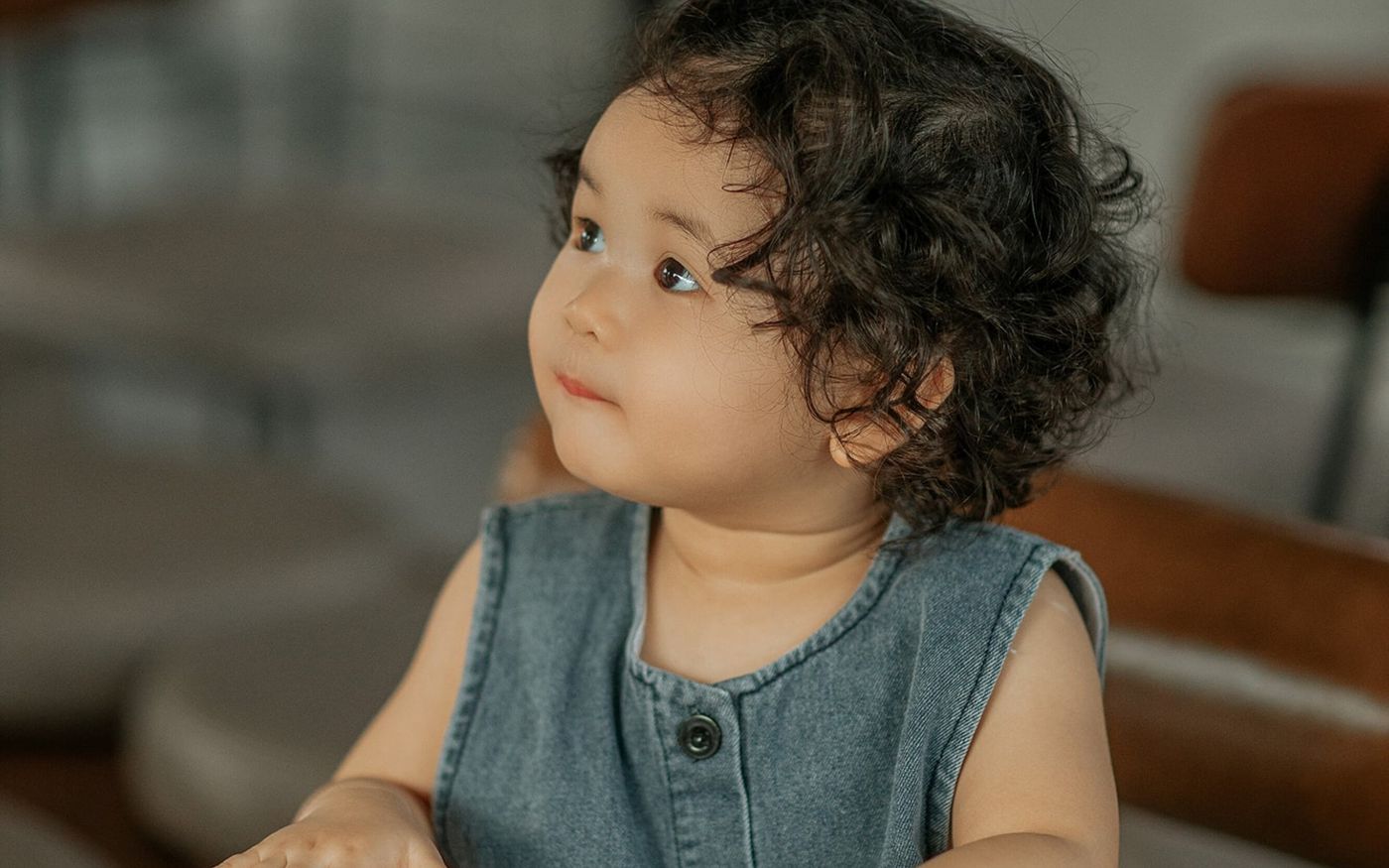
Waiting is a muscle, not a lecture
Toddlers and many preschoolers are not trying to ruin dinner when they cannot wait. Their sense of time is short, and “in a minute” feels like “never.” You can still teach waiting. You just can’t expect a 2-year-old to hold still for a 20-minute phone call with only the words “be patient.”
The skill shows up everywhere: a turn with a toy, a snack that is still heating, a line at the store, a sibling’s shoes, a doctor’s waiting room. The same turn-taking practice in our guide to teaching kids to share is waiting in another outfit. Build it in tiny, successful reps at home, then use it out in the world.
Make “wait” mean something specific
Replace vague patience talks with a visible end. A short timer, a song, or a countable job works better than “hang on.” Say what will happen when the wait is over, and then actually follow through.
- “I’m setting a two-minute timer. When it sings, it’s snack time.”
- “I need to finish this text. You can sit with your book, and then I’m yours.”
- “We’re in line. We’ll count the people in front of us, and then it’s our turn.”
- “Wait for my hand before we cross. Then we walk together.”
Start smaller than you think. Ten seconds of waiting for a desired toy, then a cheer and the handoff, teaches more than a five-minute wait that explodes. Stretch the time slowly as they succeed.
Practice when it doesn’t matter much
Practice at home first: hold a snack in the kitchen for a short count, pause before opening the door, or wait for a favorite song to start. Narrate your own waits too: “I’m waiting for the water to boil. I’m watching the bubbles.” Kids copy what you do when you’re bored, not just what you say in a lecture.
A “waiting bag” or a small job helps in places you know will take time—the grocery line, a sibling’s practice, an appointment. Our grocery shopping with toddlers guide uses the same idea: a job and a snack beat a long unsupervised browse. Keep the bag boring and familiar, not a new toy you only bribe with when things are already falling apart.
What to do when the wait explodes
If they melt down, the lesson is over for a moment. Get everyone safe, reduce the demand if you can, and come back to a shorter wait later. Mid-tantrum is not the time for a speech about gratitude. The short, calm language in our public tantrum scripts is enough in a store or a waiting room.
Afterward, once bodies are settled, you can retell it in two sentences: “You wanted the snack now. Waiting was hard, and then it was your turn.” Notice the times they do wait, even for five seconds: “You waited until I poured the milk. Then you drank it.” Attention on the small success builds the muscle faster than attention on every failure.
Waiting with siblings, screens, and “just a minute”
Don’t ask an older child to wait endlessly while you meet a toddler’s every immediate need, and don’t ask a toddler to wait through a long grown-up task with no help. Trade short, real turns: “I’m helping her with shoes. Then I buckle you.” A timer that both kids can see takes you out of the middle.
Be careful with “wait” plus a phone. If “just a minute” regularly becomes ten minutes of scrolling, they learn that waiting has no end. If you need time, give a real boundary: “I have two minutes on my phone, then I’m putting it down.” Screens can be a planned waiting tool on a long errand; they shouldn’t be the only way your child ever practices a short wait.
For kids who find new rooms hard, a wait is easier when they can see you and know the plan, the same safe-base idea we use at preschool drop-off. “I’m right here. When they call our name, we go in.”
Ages and a reasonable bar
A toddler may manage a very short, coached wait. A preschooler can often wait a little longer with a timer and a job. School-age kids can usually handle a line or a “after I finish this email” if you’ve been consistent and your “minute” is really a minute. Adjust the length to the child in front of you, not to an ideal of patience you read about.
Waiting at the bottom of the slide is a real-life waiting lab. See playground safety for kids for the rest of the park plan.
Waiting in a group is one piece of preschool readiness, not the whole thing. See when to start preschool.
Waiting for a turn and finishing a short game are close skills. For what to do after someone wins, see teaching kids sportsmanship.
They do not have to solve a ringing phone in the moment; they can come get you. See teaching kids to answer the phone.
This guide is also listed in our routines and behavior guides.
Quick FAQ
How long should a young child be expected to wait?
A short, specific wait: “until I hang up,” or “until this timer ends.” “Just a minute” with no visible end is how waiting explodes.
How do we practice waiting?
In low-stakes moments: a short line, a timer for a turn, a song while you finish a task. Waiting is a muscle, not a lecture.
What do I do when the wait turns into a meltdown?
Help them through it, shorten the wait if you can, and try again later with a smaller version. A blown wait is information, not a reason to stop practicing.
A kitchen timer is the first step toward reading a clock. See teaching kids to tell time.
The bottom line
Make waiting short, visible, and honestly finished. Practice when the stakes are low, notice the small successes, and save the lectures for later. Patience grows from a hundred tiny, kept promises—not from being told to have more of it.