
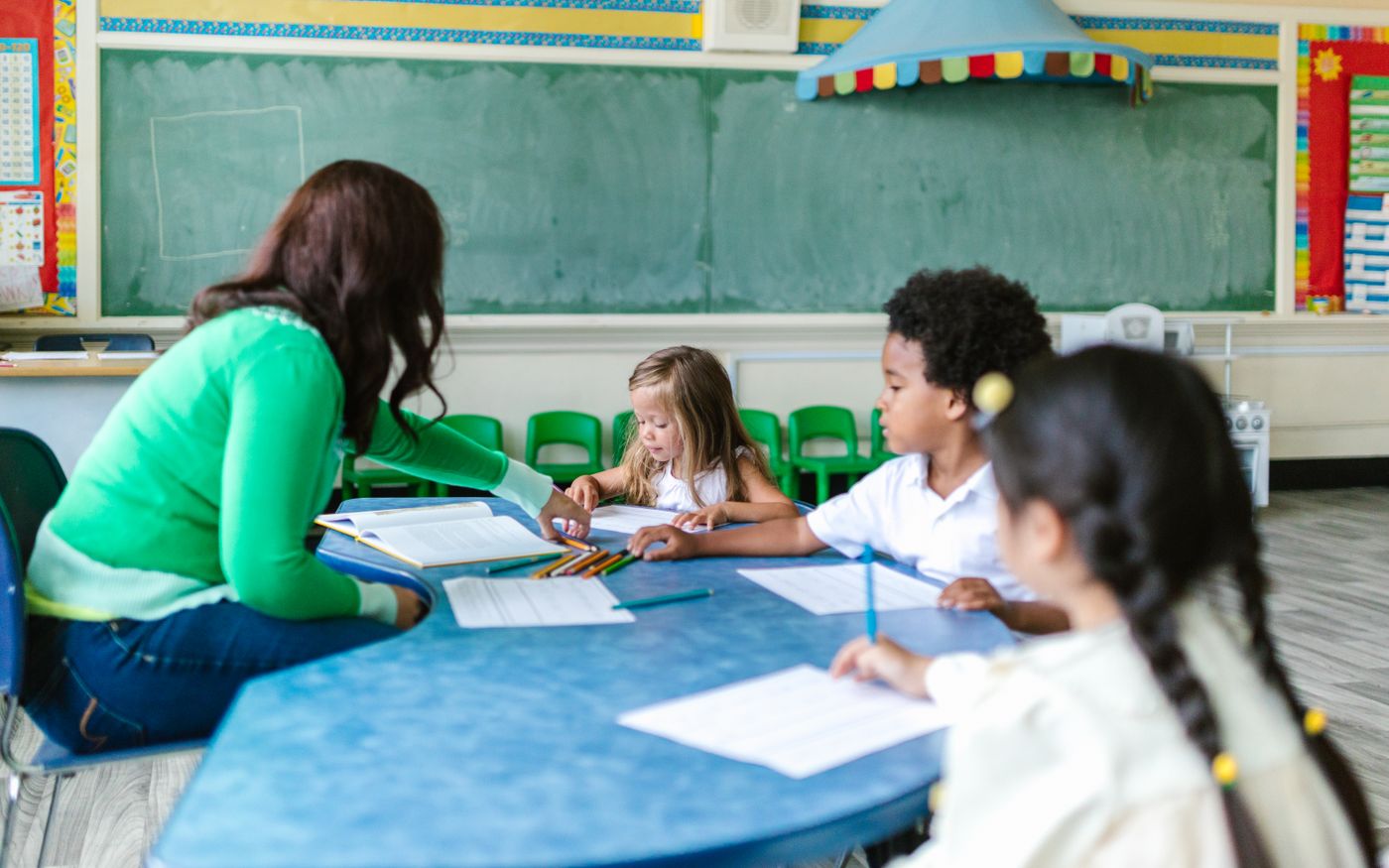
There isn’t one right birthday for preschool
Families start preschool at different ages for different reasons: a younger sibling arriving, a parent going back to work, a child who is hungry for other kids, or a program that only has a fall opening. “Ready” is less about a date on the calendar and more about whether this child can handle a short separation, a group, and a new routine—and whether you have a program that fits.
Many programs take children around three, some start at two or two-and-a-half, and pre-K often sits closer to four or five. Part-time two mornings a week is a real start. You do not have to jump to five full days to “do preschool.” A gentle schedule can be the whole plan for a year.
Signs this might be a good season
Look at the week you already have, not just a checklist of skills. Can they be away from you for an hour at a friend’s house or with a grandparent without falling apart the entire time? Are they interested in other children, even if they still play side by side? Can they follow a simple two-step direction most days? Are they working on toileting, or does the program you like accept children who are still in that process? Our guide to potty training in family life is worth reading before you assume every classroom requires it.
Curiosity, the ability to sit for a short story, and being able to say they need the bathroom or a grown-up’s help all help. None of those has to be perfect. Teachers expect coats that need a hand, feelings that run high, and kids who are still learning to wait, which is why our guide to teaching kids to wait is useful at home before the first week.
It’s also fine if they’re not there yet. A later start is not a failure. If mornings are already a standoff, if a new baby or a move just landed, or if they dissolve at every goodbye, you can wait a season, choose fewer days, or start with a play-based class that’s short enough to end on a good note.
How to choose a program, not just a start date
Visit if you can. Watch how teachers talk to children when something spills. Ask about the day’s rhythm, naps, outdoor time, how they handle hitting or tears, and how they reach you if your child is having a hard morning. Ask what drop-off looks like the first two weeks. Our guide to preschool drop-off and separation anxiety will be easier to use if you already know the school’s goodbye routine.
Fit matters more than a brochure. A warm classroom with a clear plan for your child’s age is better than a famous program that’s a long commute or a schedule you can’t sustain. Ask about teacher-to-child ratios, how they handle food and allergies, and whether you can do a shorter trial period. Tour at a time children are actually there, not only at an evening open house.
Getting ready at home without “practicing school”
You don’t need worksheets. Practice the pieces they’ll use: hanging a coat, opening a lunch box, washing hands, and saying goodbye for a short time. Build a simple morning so the first week isn’t also the first time they packed a bag—see a school morning routine checklist and packing a kids backpack.
Read books about starting school. Drive or walk past the building. If the school allows a visit with you in the room, use it. Talk about the teacher by name. Keep evenings earlier the week before so sleep isn’t the thing that breaks first. If they have big feelings about leaving you, that’s information, not a reason to pretend they’re fine. Name it: “You’ll go to school, I’ll go to work / home, and I’ll be back at pickup. That’s the plan.”
The first weeks, and when to wait
Give a new schedule a couple of weeks of ordinary days, not one teary Monday, before you decide it isn’t working. Stay consistent with drop-off, keep pickups on time, and keep home calmer than usual. If they’re not sleeping, not eating, or more distressed at week four than week one, talk to the teacher and consider fewer days or a pause. Starting later, or starting smaller, is still starting.
Starting kindergarten is a new building and a longer day, even after preschool. See the first day of kindergarten for the week of firsts.
This guide is also listed in our routines and behavior guides.
Quick FAQ
Is there a right age to start preschool?
No single birthday. Look at your child’s readiness, your family’s need for care, and the program itself. Starting later is not a failure, and starting sooner is not a race.
What signs suggest this might be a good season?
They can handle a short goodbye, use the bathroom or a clear toileting plan, play near other kids, and follow a simple routine. You do not need a perfectly independent child.
How do we get ready at home without “practicing school”?
Practice the real skills: coats, bathrooms, snacks, and a short goodbye. Skip a full mock classroom. See the school morning checklist once a start date exists.
This guide is also listed in our school-day guides.
The bottom line
Start preschool when the program, the schedule, and this child can share a room without the whole week falling over. Visit, ask how goodbyes work, practice the small skills at home, and begin with fewer days if that makes the first month possible. Ready is a season, not a birthday.