
Sportsmanship is what they do after the play ends
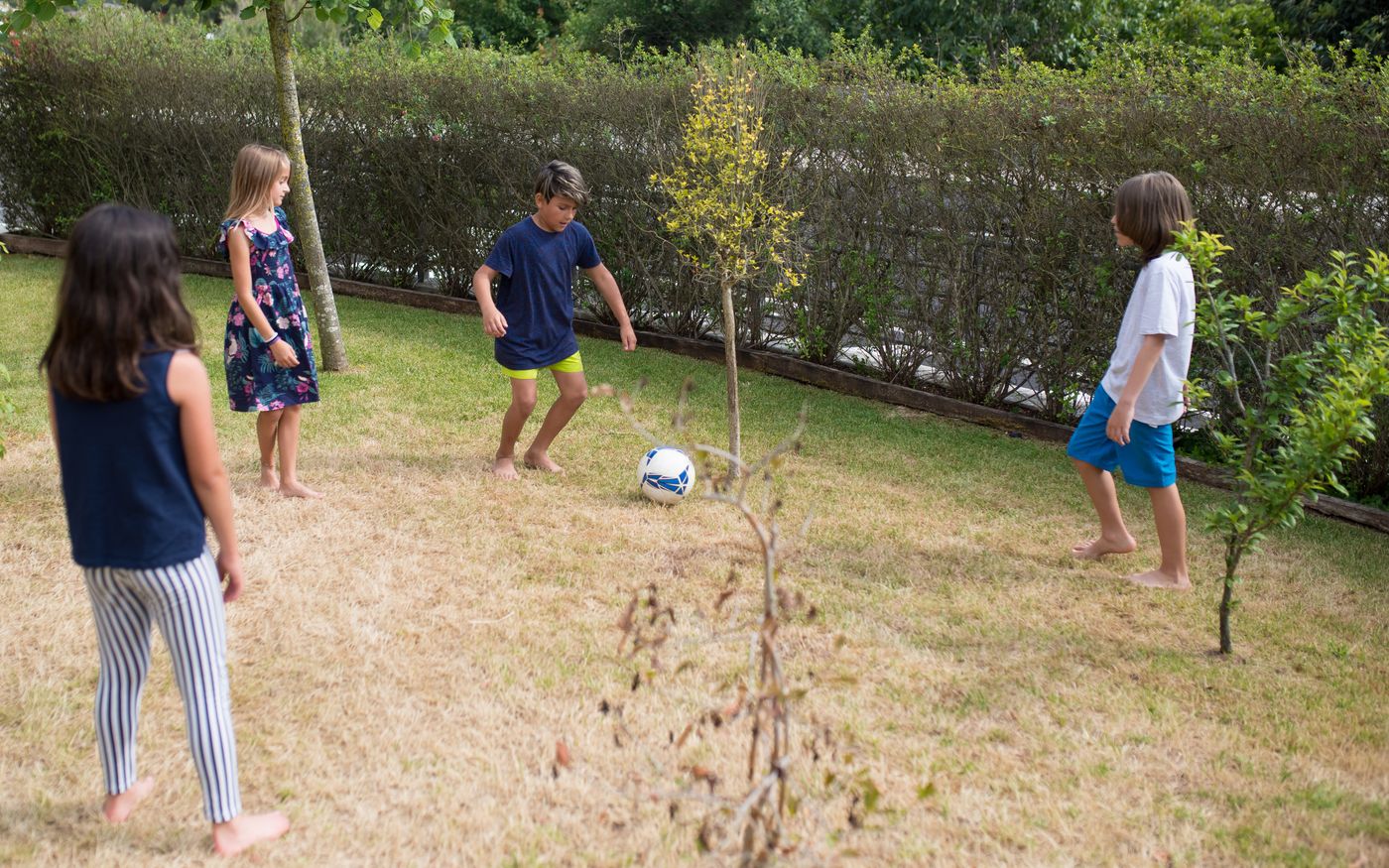
Kids don’t lose well because you told them “it’s just a game.” They learn it in short, real games: a backyard soccer match, a board game, a race to the fence, a hand of cards. The skill is what happens after someone wins—how they talk, whether they can try again, and whether a grown-up stays calm enough for them to borrow that calm.
This is different from running a fun evening, which we cover in family game night. Sportsmanship is the habit inside the game: taking turns, following the same rules, congratulating the other side, and recovering when it stings. It also shows up in sharing and waiting, but a score or a finish line makes the feeling bigger.
Practice on small games, not only on trophy days
Start with short games you can finish, and with rules you actually enforce. If the older child changes the rules mid-play, stop and reset. If a toddler isn’t ready to lose a competitive game, play cooperative versions, or play “one more turn” games where the point is taking part, not a winner.
When they win, they can say “good game” and mean it enough to leave the other person some dignity. When they lose, they can take a breath, say the same words, and not smash the pieces. You model this when you lose to them. If you gloat or sulk, they will copy that before they copy your speech about character.
Name the feeling without excusing the behavior: “You’re disappointed. You can be mad and still put the cards in the box.” Our guide to talking to kids about feelings is useful here. If they hurt someone, they still repair it—see teaching kids to apologize—and then the game can end or try again, depending on how hot the moment is.
Scripts for the walk off the field
On the way to the car, keep it short. “You played hard. That last goal was tough.” Don’t replay every mistake, and don’t blame the referee, the coach, or the other team as your main story. Kids listen for who you think is responsible. If there was a bad call, you can say “that was frustrating” and then stop.
If they cry, let them cry for a minute before you teach. A snack and a little quiet—our sports snacks guide is for the practical side—often does more than a lecture in the parking lot. Save a longer talk for later if something specific needs fixing: a shove, a tantrum at a teammate, or quitting mid-game as a habit.
Praise effort and a specific good moment, including a good lose: “You shook hands even though you were upset.” Don’t praise only the trophy. If a sibling rivalry is leaking into every game, use the same fair-turn ideas as sibling rivalry scripts and skip winner-take-all games for a while.
When they refuse to play, or winning is all they can see
Some kids will only play if they can win. Shrink the stakes: play to a lower number, switch to a team-versus-grown-up game, or end while it’s still okay. If they quit every time they fall behind, say the rule once—“We finish this short game, then we’re done”—and follow through by ending the activity, not by forcing a miserable hour.
Organized sports will add coaches, scores, and other parents. You can’t control the sideline, but you can control your voice. Cheer for hustle and kindness as much as for goals, and leave if the culture is consistently ugly. A season that teaches them that winning is the only thing that matters will undo a year of kitchen-table practice.
House rules help: no name-calling, no throwing pieces, and the game ends if someone is hurt on purpose. State them once before you start, not only after a blowup. If a guest is over, use the same rules you’d want at their house, and be ready to switch to a snack if the game gets too sharp.
Watching sports on TV is another classroom. If you yell at the screen, they learn that losing is an emergency. You can care about the game and still talk like a person you’d want sitting next to you. After a hard loss for their team, a short “that stings, and tomorrow they’ll play again” is enough.
Sportsmanship is what they do after they play; watching a game is a different outing. See watching a game with kids.
This guide is also listed in our routines and behavior guides.
Quick FAQ
What does sportsmanship actually look like for kids?
What they do after the play ends: a “good game,” no taunting, and a way to leave the field without a scene. Winning and losing are both practice.
How do we practice besides trophy days?
On small home games, on the playground, and in the car after practice. A short script for the walk off the field is more useful than a speech about character.
What if they refuse to play because they might lose?
Shrink the game, skip the ranking, and try again later. You can require courtesy without forcing a child back into a game that is too much for today.
The bottom line
Kids learn sportsmanship in short games, with rules that stay the same, and with a grown-up who can lose without a show. Name the feeling, require a basic repair, keep the car-ride lecture short, and praise a good lose as much as a win. The game they can finish and try again is the one that teaches it.