
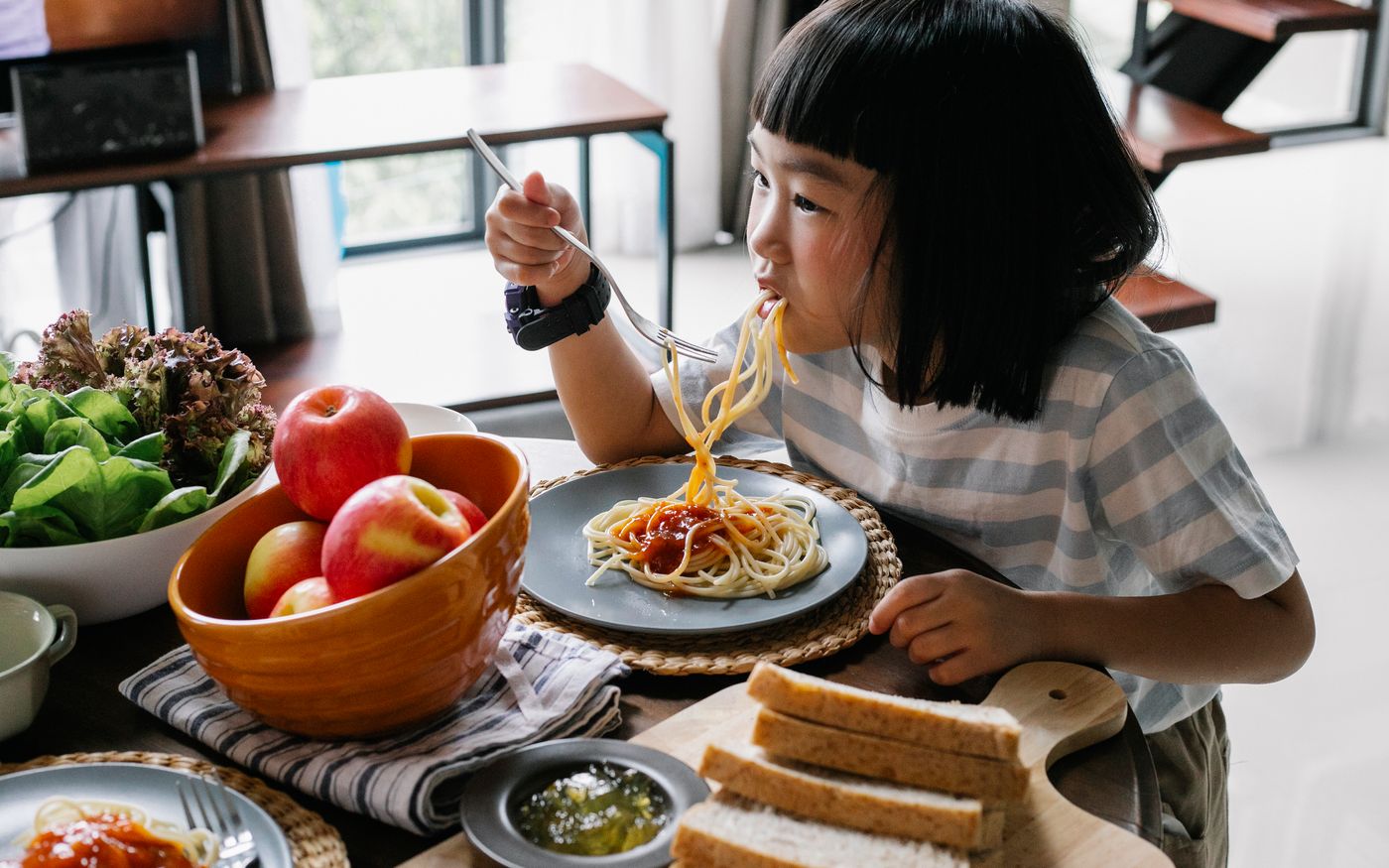
Pasta night is one pot, one sauce, and a plain option
Family pasta night is a weeknight dinner you can actually finish: boil pasta, heat one sauce or a little butter and cheese, and sit down. It is not pizza night and it is not a taco fillings bar. The charm is the opposite—few moving parts, a food most kids already recognize, and a bowl that’s easy to serve a little at a time.
Put it on the weekly meal plan so you’re not staring at a box at 6:20. A short noodle (penne, shells, or broken spaghetti for little kids) is easier to eat than a long strand they have to wrestle. Salt the water, cook it a minute shy of mush, and save a splash of pasta water if you’re tossing with sauce.
Jobs kids can do, and the pot they shouldn’t touch
You own the boiling pot, the colander, and the knife. Kids can wash hands, put a bag of salad in a bowl, tear basil if you have it, grate cheese if they’re old enough with a real plan, set spoons, and choose a noodle shape at the store. That’s the same stove boundary as cooking with toddlers: real jobs, no reaching over steam.
For a toddler, “plain pasta and a little butter or oil, sauce on the side” is a complete dinner, not a failure of the sauce. A cautious eater can see the red sauce without wearing it. That’s the same idea as our guide to picky eaters. A vegetable on the side—peas stirred in after the heat is off, or cucumber slices—beats hiding spinach in a sauce they then refuse.
If you want them to help more, let a school-age kid stir a cooled sauce you already made, or shake a container of leftover sauce you warmed. Don’t hand them a pot of boiling water “to be included.” A step stool at the counter, not at a full rolling boil, is plenty.
Keep the menu small so people actually eat
One shape, one sauce (or butter and cheese), and a simple side will beat a three-sauce spread you resent. If someone wants it plainer, serve theirs first, then sauce the rest. Garlic bread is optional; a bowl of fruit or a salad is enough. Sit down together, even for fifteen minutes, and use the same few habits as table manners. A question from dinner conversation starters keeps it from being only slurping.
Mess is part of pasta. A bib or an old shirt, a wipe-able table, and a damp rag within reach are enough. Don’t turn the first tangled fork into a manners lecture. They can learn to twirl later; tonight they can eat.
Leftovers make lunch if you pack the pasta and a little sauce separately, or as a cold pasta salad the next day—see packing school lunches. Reheat with a splash of water so it doesn’t glue itself into a brick. A tired-night version is boxed pasta, jarred sauce you like, and frozen peas. That’s still pasta night.
Allergies, portions, and leftover nights
If you need a gluten-free or alternative noodle, cook that pot first on a clean insert or in its own pot, and keep the serving utensils from mixing. Tell guests what’s in the sauce. Portion small; kids can have seconds, and a mountain of noodles often gets cold and abandoned.
If you have leftover roast chicken or vegetables, chop them small and stir them in after the heat is off. You don’t need a new recipe every week. The ritual is “we boil pasta and sit down,” not “we make a new sauce from scratch.” On a late soccer night, start the water when you walk in the door, and keep the side as simple as fruit or a bag of salad.
If dinner is late, start the water as soon as you walk in, and keep a jar of sauce you already like on the shelf so the only decision is the noodle shape. A child who is starving can have a few plain noodles first while the rest of the pot finishes. That’s a kindness, not a ruined meal.
A little cheese on the table, not already dumped on every bowl, lets each person add what they want. That’s a small bit of control, and it saves you from a bowl that comes back untouched because it was “too cheesy.”
After a messier pasta night, lower the bar to table-clear and trash-out. See teaching kids to help with dishes.
If pasta is your one-pot Tuesday, grilled cheese and soup can be the other short warm night. See grilled cheese and soup night.
A handful of herbs or tomatoes can go on an ordinary pasta night. See growing food with kids.
Leftover pasta protein can also land on a rice bowl later in the week. See build-your-own bowl night.
This guide is part of our mealtime guides, where related pieces are grouped in one place.
Quick FAQ
Should I make a second shape if they refuse the sauce?
No. Serve the pasta, a plain buttered or olive-oil option if that is your safe food, and the sauce on the side. A second cuisine teaches them to wait you out.
How much pasta should I cook?
Enough for dinner plus a little leftover, not a giant pot you will not reheat. Leftover pasta can become another night’s remix if you cool and store it safely.
Can toddlers help without getting near the pot?
Yes: rinse produce, tear herbs, set the table, or stir a cooled sauce. The boiling pot stays a grown-up job.
The bottom line
Family pasta night works when the pot is yours, the menu is short, and a plain bowl is allowed. One noodle, one sauce or butter, a simple side, and leftovers that become lunch will beat a more ambitious menu you never repeat. The night you can pull off on a Tuesday is the one that counts.