
Use a formula, not 180 unique ideas
Pack lunch like a template: main + fruit + crunchy + dip/snack + drink. Rotate within categories so mornings stay fast. Kids eat more when they recognize the pattern.
- Mains: wrap, pasta thermos, leftovers, sandwich, bagel pizza, rice bowl
- Fruit: berries, apple slices (lemon dab), banana, orange wedges
- Crunchy: pretzels, crackers, cucumber, snap peas
- Protein boost: cheese stick, yogurt, hummus, edamame, leftover chicken
Ask what actually comes home
Audit the lunchbox for a week without judgment. Uneaten yogurt every day? Stop packing it. Trade ambition for data. Involve kids in choosing two mains for the week—choice increases buy-in.
Temperature and texture tricks
Thermos: preheat with hot water, then fill with pasta, soup, or rice bowls. Cold packs for dairy. Separate wet and dry (crackers apart from fruit cups) so textures survive until noon.
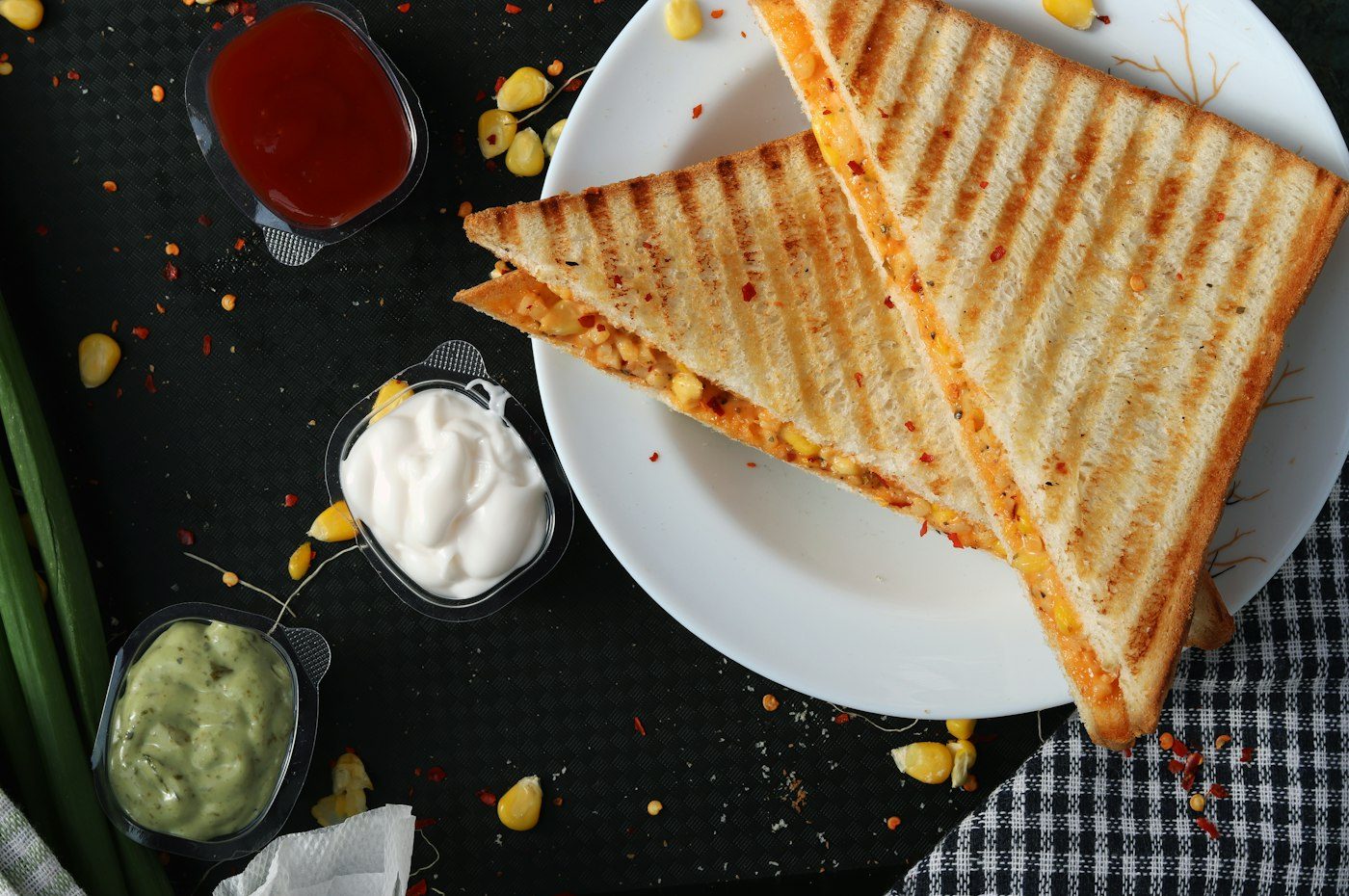
Cut sandwiches the way they prefer—triangles vs. halves matters more than adults admit.
Link lunch to dinner
Plan dinners that remix into lunches: extra taco meat, roasted vegetables for wraps, pasta night leftovers. A weekly family meal plan makes this automatic instead of another 6 a.m. invention.
Allergy and school rules
Know classroom restrictions (nut-free, etc.). Label clearly. Teach kids not to share food. Pack a backup non-perishable in the backpack for surprise schedule changes.
Morning system
- Night before: containers out, fruit washed, mains decided
- Morning: assemble cold items; fill thermos last
- Kids pack ice pack + napkin + fork if needed
If evenings are impossible, build five identical “default lunches” and only vary fruit.
When they’re picky
School is not the venue for brand-new foods. Save exposure experiments for home dinners. For longer-term strategies, see practical picky eater strategies.
Hot lunch and hybrid weeks
If your school offers hot lunch, use it strategically—two days a week can cut morning labor without abandoning home packing. Teach kids the cafeteria rhythm: remember the PIN, try one new fruit, sit with a friend. Hybrid weeks are still a system.
Special notes for young packers
Practice opening containers at home. Many “uneaten” lunches are motor-skill problems: stuck lids, tricky yogurt tops, thermoses they can’t unscrew. Swap packaging before you blame the menu.
Include a tiny note or sticker occasionally—not every day if that becomes pressure—just a reminder that lunch was packed with care. Connection travels well in a lunchbox.
For more on containing mess when younger siblings still smash bananas at home while you pack, a wipeable silicone mat keeps the breakfast station from becoming round two of cleanup before the bus.
A two-week rotation you can copy
Week A: Monday wrap, Tuesday pasta thermos, Wednesday bagel + cheese, Thursday leftovers bowl, Friday DIY lunchable (crackers, protein, fruit). Week B: Monday rice bowl, Tuesday sandwich, Wednesday quesadilla wedges, Thursday noodle cup (low-sodium) with added veg, Friday muffin + yogurt + fruit. Repeat. Boredom is overrated compared with empty lunchboxes.
Seasonal swap fruit and veg. Keep the skeleton. That’s how packing stays under ten minutes.
Waste, compost, and teaching responsibility
Have kids empty their lunchbox into trash/compost/sink. They see what they skipped. Curiosity—“What felt hard to eat today?”—beats scolding. Sometimes the fix is a different container, not a different child.
Food safety and packing logistics
Use an ice pack for perishable proteins and dairy. Insulated bags help. Toss leftovers that sat warm. Teach kids not to save half a mayo sandwich for the bus ride home in August. Mundane? Yes. This is how lunch stays a healthy habit instead of a gamble.
When they trade food
Trading happens. Know allergy policies and talk about not pressuring friends. If your child comes home hungry because they traded away lunch, problem-solve without shame—maybe pack a non-tradable favorite plus a tradeable extra.
Budget packing
Store brands, seasonal fruit, and leftover dinners beat pre-packaged kits on cost. Buy yogurt tubs and portion into reusable cups. A little Sunday portioning prevents expensive convenience packs every morning.
Keep backup shelf-stable items in the locker or backpack: crackers and a fruit cup for the day everything goes sideways. Independence includes contingency.
If mornings are impossible, build lunches entirely the night before except the thermos fill. Night-you is calmer than morning-you—use that fact.
Put it into practice this week
This week, build five lunches from one grocery run using the main+fruit+crunchy formula. Involve your child in choosing two mains. Weigh the backpack once—heavy glass containers sabotage kids who already avoid lunch. Swap to lighter vessels if needed. Photograph an empty lunchbox on Friday as your success metric. Share the win with your kid: “You fueled your brain all week.” That narrative matters more than whether the grapes were organic.
The bottom line
Packing school lunches kids will eat means familiar mains, a repeatable formula, temperature care, and feedback from the lunchbox itself. Fancy bento can wait—empty containers are the win.