
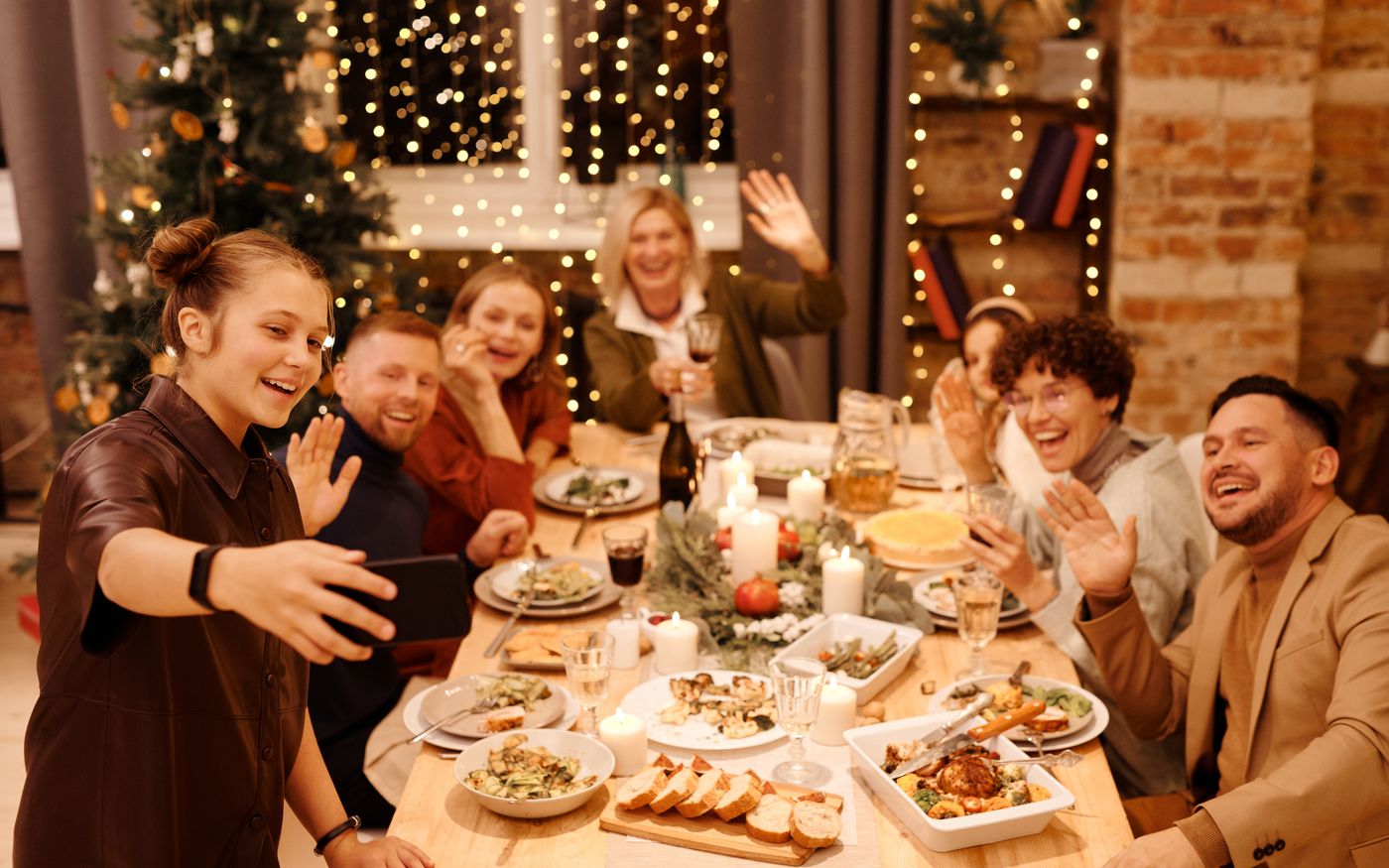
Why the big meal is hard on kids
Thanksgiving stacks almost everything that makes kids fall apart at the table: a late meal, new foods, a crowded room, more noise, and a longer sit than they’re used to. None of that means the day is going badly. It means kids need a plan that fits their bodies, not just the turkey timer.
Feed them on their schedule, not the turkey’s
Most Thanksgiving dinners land well past a toddler’s usual lunch, and sometimes past an early dinner. Hungry kids do not become adventurous eaters when the platter finally arrives.
- Serve a small, familiar meal at your child’s regular time, even if the “real” dinner is two hours away. Leftover pasta, a cheese sandwich, yogurt and fruit, or whatever they already eat on a Tuesday all work.
- Put a small plate of safe foods on the table when everyone sits down so they have something to start with.
- Keep a water cup within reach. Thirst looks a lot like crankiness in a crowded room.
- If you are traveling, pack two familiar snacks you know they’ll eat. A new house plus a late meal is a lot to ask.
A late special dinner can still happen. Just don’t make it the only food they get after 11 a.m. If you’re staying overnight, our holiday visits sleep guide covers bedtime and nap anchors for the rest of the trip.
Build a kids’ plate they might actually eat
You don’t need a separate kids’ menu, and you also don’t need a standoff over sweet potatoes. Put a little of the adult meal on their plate, plus one or two familiar foods.
Good anchors for a Thanksgiving plate:
- Plain turkey or a roll
- Fruit they already like
- A familiar starch: bread, rice, buttered noodles, or mac and cheese if that’s your family’s thing
- A tiny taste of a “special” food, with no pressure to finish it
If your child is in a picky phase, treat the holiday the way you treat a regular dinner: they can eat from what’s offered, and you skip the commentary. Our guide to picky eaters has the everyday version of this approach. A holiday is a poor time to debut a new feeding philosophy.
Give them a job—and a defined place to eat
Kids behave better at a long meal when they have a role. Age-matched jobs that actually help:
- Toddlers can put napkins on the table or carry a bun to the bread basket (with a hand on the plate).
- Preschoolers can place silverware, fill a water pitcher with help, or put ice in cups.
- School-age kids can make a simple cranberry bowl, set place cards, or lead a short “what we’re thankful for” round.
If you want them in the kitchen earlier in the day, start with low-heat jobs from our cooking with toddlers guide: washing produce, tearing lettuce, stirring a cold side.
Little ones also do better with a clear “this is my spot.” At a kids’ table or a squeezed adult table, a silicone placemat with raised edges and a built-in spill tray gives them a boundary for their plate and cup. The Mumbo Mat stays in place with a flat, slightly tacky silicone underside on a clean, sealed, flat table—then it rolls up for the trip to Grandma’s and goes in the dishwasher when you get home. Wipe the host’s table first so the surface is clean and dry, and ask if you can seat your child at the end of the table or at a sturdy kids’ table, with a booster or high chair that supports their feet.
Scripts for “I don’t like this”
You will hear it. A short, calm script keeps the whole table from turning into a review of the menu:
- “You don’t have to eat it. You can leave it on your plate.”
- “There’s turkey and fruit if you want more of those.”
- “We’re not making a special meal, but you won’t go hungry.”
Avoid bargaining (“three more bites and you can have pie”) if that’s not how you eat at home. It teaches kids that the holiday table is a negotiation, and it usually ends with everyone tired. If a relative is pushing, step in kindly: “We’re good—he can take or leave it.” For a lighter table mood once plates are down, try a few prompts from our family dinner conversation starters.
Safety at a crowded table
A holiday table has more hazards than a Tuesday night:
- Hot dishes and gravy boats near the edge
- Knives, wishbones, and turkey bones—bones are a choking risk, so serve kids boneless pieces
- Alcohol left in glasses at toddler height
- Choking foods: nuts, hard candy, popcorn, whole grapes, and chunks of raw vegetables
- Candles and table runners a toddler can pull
Sit little ones at a corner with a parent nearby, not in the middle of a long table with the roast. Cut food small, and keep a close eye during the first busy minutes when everyone is standing and passing plates.
After dinner: the sugar-and-cousins crash
Dessert, loud play, and a later bedtime often land at once. Protect a few anchors: a familiar bedtime routine, a quiet spot if they get overwhelmed, and that earlier small meal so they aren’t starving by pie. If cousins are running the house, give your child a 15-minute reset in a bedroom with books before the evening really starts. A short break prevents the 7 p.m. meltdown more reliably than one more dessert.
When the big meal is over, use our guide to Thanksgiving leftovers kids will actually eat for food safety, sandwiches, quesadillas, and Friday lunchboxes.
A wash before anyone sits down prevents a lot of mid-meal wrangling. For a habit that works all winter, see teaching kids to wash hands.
A holiday table is easier if the everyday one is already a little practiced. For the home habits, see teaching kids table manners.
Bake on a different afternoon than the big meal if you can. For the cookie-and-cutter version, see holiday baking with kids.
Practice the table on a Tuesday so the holiday isn’t the first lesson. See teaching kids to set the table.
This guide is part of our mealtime guides, where related pieces are grouped in one place.
This guide is also listed in our holiday and season guides.
Quick FAQ
Should kids wait for the grown-up seating time?
Not if that time is hours past their usual meal. Feed them on their schedule, even if it means a smaller plate earlier and a little food with the group later.
What should go on a kids’ Thanksgiving plate?
One or two familiar foods plus a small taste of the feast. A plain roll, fruit, and turkey they recognize will do more than a plate of only new sides.
How do we handle “I don’t like this” at a crowded table?
A short “you don’t have to eat it” and a safe food, without a speech for the relatives. Safety around hot dishes and sharp serving tools still comes first.
Friends’ and school potlucks bring a different set of problems than the family table. See holiday potlucks with kids.
The bottom line
Feed kids on their schedule, put familiar foods next to the feast, give them a job and a defined place to eat, and keep food pressure off the table. A calm Thanksgiving dinner is less about a perfect menu and more about not asking little bodies to wait, sit still, and love new foods all at the same time.