
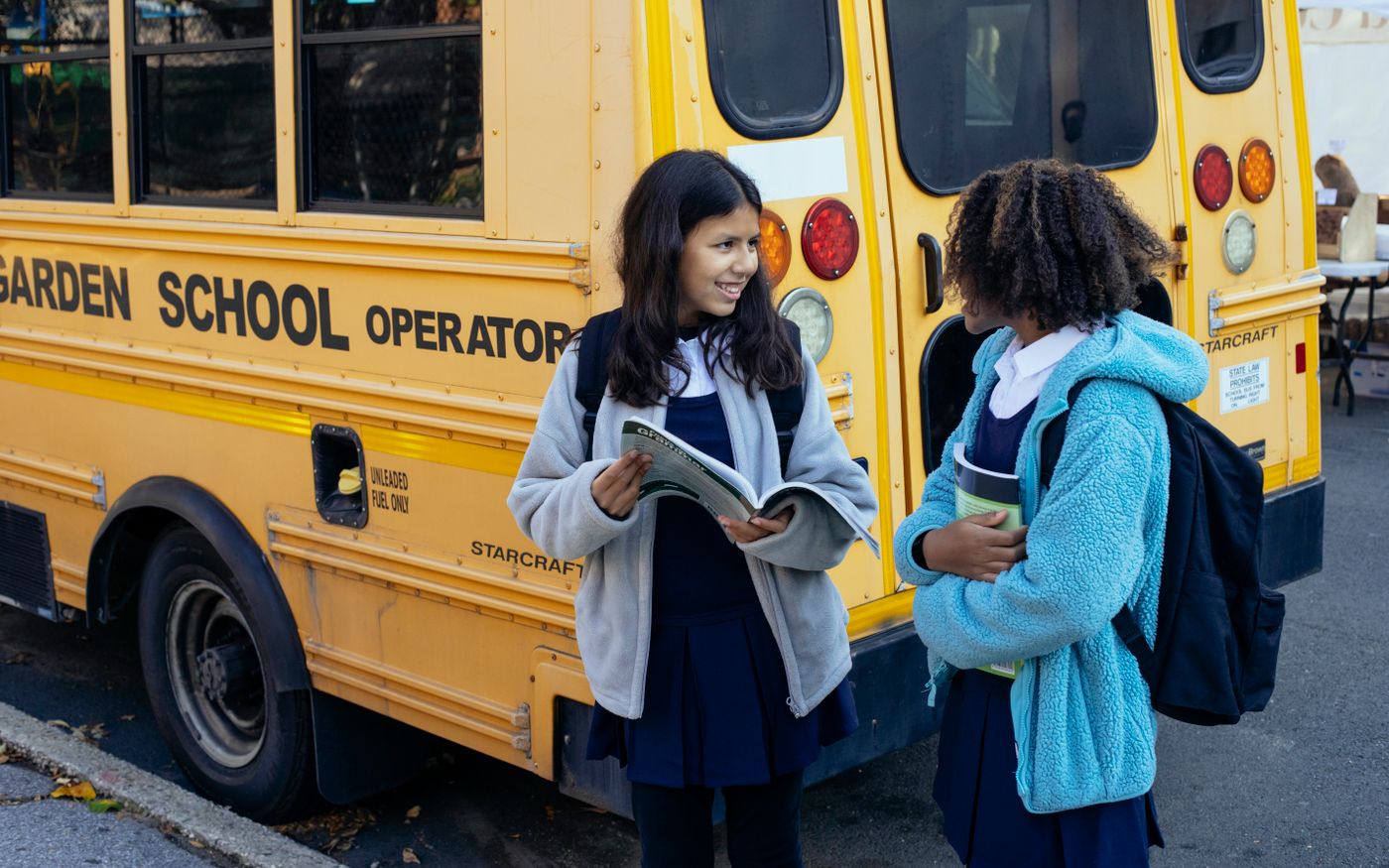
The bus is its own routine, not just a morning leftover
A school-bus routine is the stretch between the front door and the seat, and the stretch back again: the stop, the wait, the climb on, the afternoon pickup, and what happens when the bus is late or they miss it. It is not the same as a school morning checklist, or packing the backpack, or even the first day of kindergarten, though those all help. This is the ride itself, practiced enough that a regular weekday doesn’t start with a sprint to a moving door.
Start before the first solo morning. Walk to the stop at the real time, even if you’re only practicing. Show them where to stand—back from the curb, on the same side every day if that’s the rule—and what the bus looks like, including the number or name if your district uses one. A short “we wait here, we don’t step off until the bus stops and the driver says” is the core skill. Practice it when you’re not late.
Mornings at the stop, and the ride
Leave the house with enough slack that the stop isn’t a sprint. The launch pad by the door still matters; the last two minutes at the curb should be waiting, not tying shoes in the street. If they dawdle, tighten the morning earlier, not at the bus door. A grown-up stays until they’re on, for as long as your child and your district need. Independence can come later. A first-month “I watch you get on” is not hovering if it keeps them out of the road.
On the bus, the rules are usually simple: sit, face forward, keep the aisle clear, talk at a level the driver can live with, and don’t get up until the bus stops. Go over those at home, once or twice, without a lecture every Monday. If they have a seat or a buddy plan, name it. If they don’t, talk about sitting near a kid they know, or near the front if that’s easier. You can’t control the social map from the sidewalk, but you can give them a first default.
What they carry should already be settled the night before, in the backpack, not in a pile at the stop. If they need a snack for a long ride, pack one that doesn’t make a mess and that they can eat only if the driver allows food. A water bottle that actually closes is enough for most routes. Toys that roll under seats are a poor idea.
Afternoons, missed buses, and the what-ifs
Be at the stop before the bus, especially in the first weeks and after a schedule change. Kids notice an empty sidewalk faster than we think. If you use a shared pickup, write down who is allowed to meet them and tell the child the plan each morning when it changes. A standing “Dad on Tuesdays, the after-school program on Wednesdays” beats a surprise.
Missed-bus plan, said out loud: come back to the house or wait at a named safe place, don’t walk a new route, and tell a grown-up. If they miss it because the morning fell apart, you drive if you can, and you fix the morning later, not in the driveway with a lecture. If the bus is late, wait; if it is very late, use the number your school sent, not a guess from a group text alone.
Wrong-stop and “I feel unsafe” scripts matter more than we want to admit. Teach them to tell the driver, to stay on the bus if they’re not sure, and to use a teacher or the office if they get to school upset. If your district has a tag, badge, or app, use it, but don’t treat the app as a substitute for the stop habit. For street crossing on the walk to the stop, use the same skills as teaching kids to cross the street: stop, look, a grown-up until they’re ready.
Weather, nerves, and the first month
Rain, heat, and winter change the wait. A simple backup layer in the backpack is more useful than a last-minute coat argument at the curb—see also getting kids to wear winter coats. In storms, check for delays before you leave the house. A snow day is not a bus day, and a two-hour delay is its own routine: stay in the same wait-back-from-the-curb habit, just later.
Nerves are common in the first weeks, and they can come back after a break. A short goodbye at the stop is better than a long one in the road. If they cry, you can be kind and still put them on when it’s safe and the driver is ready. If refusal lasts, talk to the teacher and the school about a shorter first step: a buddy, a seat near the front, or you following the bus in the car for a few days if that’s allowed and it actually helps.
Lost lunch boxes and jackets will happen. Label things, and teach them to check the seat before they get off. The bus routine is a loop you can practice: walk, wait, sit, ride, get off, meet the person who is supposed to be there. When that loop is boring, it’s working.
This guide is also listed in our routines and behavior guides.
Quick FAQ
What should mornings at the bus stop look like?
Arrive with a little time to spare, stand where the driver expects you, and keep the goodbye short. The stop is part of the routine, not a playground.
What if they miss the bus?
Have a backup plan you have already named: who drives, and that it is not a crisis. A calm Plan B is better than a lecture at an empty corner.
How do we handle first-month nerves?
Preview the ride, name the seated rule, and, if you can, do a practice wait at the stop. Most nerves ease once the route is familiar.
This guide is also listed in our school-day guides.
The bottom line
A school-bus routine works when the stop is practiced, the wait is back from the curb, a grown-up has a clear afternoon plan, and the what-ifs are already said out loud. Pack the night before, arrive early, and keep the first month more supervised than you think you’ll need. The boring stop is the one that works.