
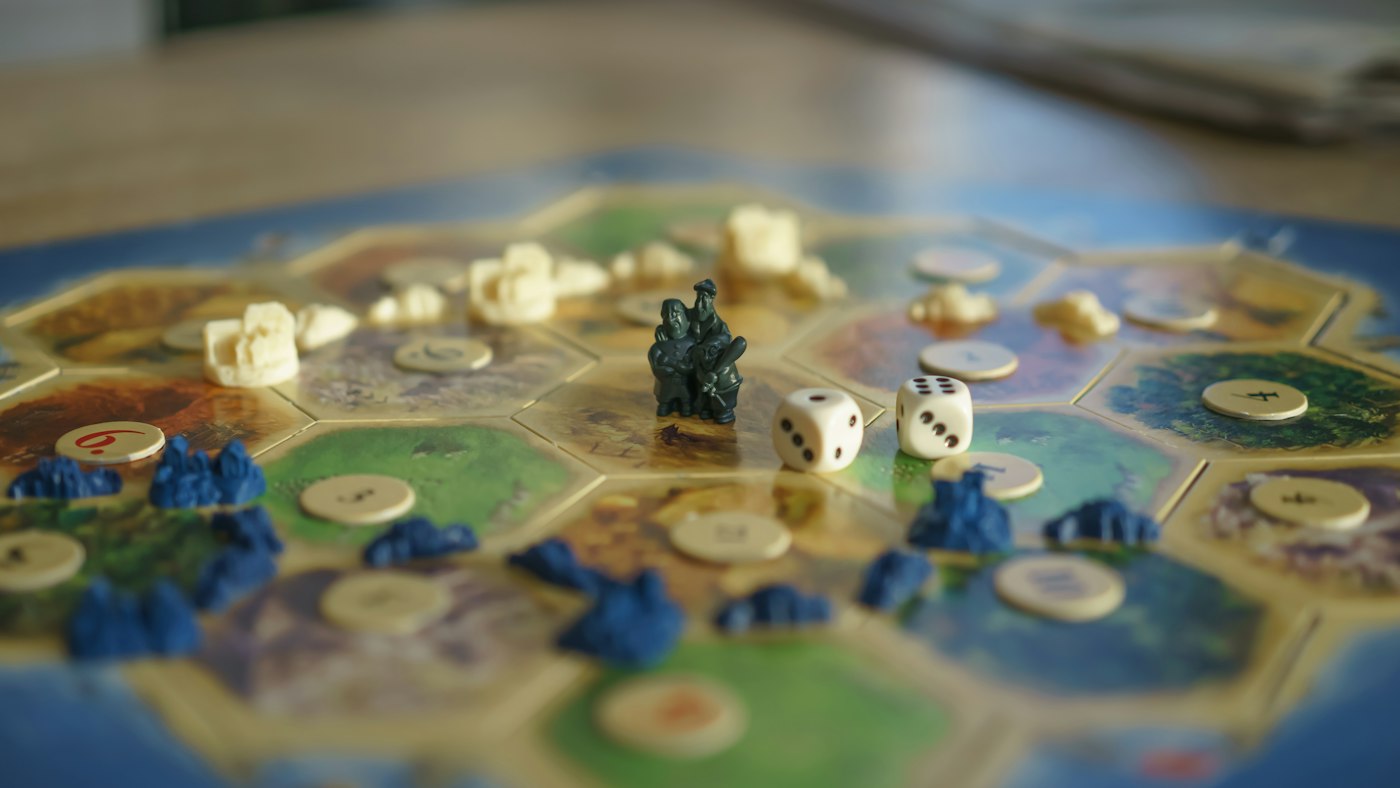
Why game night is worth protecting
A regular family game night is one of the few times everyone sits at the same table without screens, talking, laughing, and taking turns. Games quietly teach waiting, following rules, counting, strategy, and losing without falling apart. The hard part is not finding games—it is finding ones that work for a wide age spread and making the night actually happen.
Pick a night and keep it short
Choose one recurring night—Friday after dinner or Sunday afternoon works for many families—and put it on the calendar like practice. Aim for 45–60 minutes, starting early enough that it does not crash into bedtime. Shorter and regular beats long and rare.
Let kids take turns choosing the game. Owning the choice makes them more invested, and it heads off arguments before they start.
Games that work across ages
Toddlers and preschoolers (2–5)
- Cooperative games like Hoot Owl Hoot! or Count Your Chickens—everyone wins or loses together.
- Memory matching with a reduced set of cards.
- Simple color and counting games like Candy Land or Chutes and Ladders.
- Pretend-play games like charades with animal moves only.
Early elementary (5–8)
- Uno, Sleeping Queens, or Go Fish — easy rules, quick rounds.
- Spot It! or Blink — speed games where younger kids can beat adults.
- Outfoxed! — a cooperative deduction game.
- Sorry! or Trouble — luck-heavy, so ages compete evenly.
Older kids and teens (9+)
- Ticket to Ride, Catan Junior, or Carcassonne — real strategy with simple turns.
- Codenames or Telestrations — great for larger groups.
- Dutch Blitz or Sushi Go! — fast, light, and competitive.
House rules for mixed ages
The biggest game night challenge is a wide age gap. A few tweaks keep everyone in it:
- Team up — pair the youngest with an adult or older sibling as a team, so the little one rolls and moves while the partner helps with strategy.
- Give handicaps — older players start with fewer cards, take a penalty turn, or play with one hand behind their back in speed games.
- Choose luck-based games when ages vary a lot; strategy games favor the oldest every time.
- Pick co-op games when competition is causing fights.
- Rotate a younger-kid game and an older-kid game each week.
If siblings regularly fight during games, borrow scripts from sibling rivalry scripts that calm the fight—especially the turn-taking ones.
Handling sore losers (and sore winners)
Losing is the point of the lesson, but it is hard for young kids. Talk about it before you start, not after the meltdown:
- “Someone will lose tonight. What can we do if it’s us?” (take a breath, say “good game,” ask for a rematch)
- Model losing yourself: “Aw, I wanted to win. Good game—that was close!”
- Celebrate good moves, not only winning: “That was a smart trade.”
- Have a winner’s rule too: no gloating, and the winner helps clean up.
If a child flips the board, end that game calmly and try again next week. Do not let adults “let them win” every time; kids notice, and it takes away the chance to practice losing. Naming the frustration, as described in talking to kids about feelings, helps more than a lecture.
No-cost games for any night
You do not need to buy anything to start. Easy no-cost options:
- Charades or Pictionary with paper slips
- 20 Questions or “I Spy” for little ones
- Card games with one standard deck: War, Crazy Eights, Spoons, Slapjack
- Hide-and-seek in the dark with flashlights
- Homemade bingo with drawn cards and cereal as markers
These also work well on rainy days, when everyone is stuck inside.
Snacks and setup
A simple special snack—popcorn, a fruit plate, or homemade pizza—makes the night feel like an event. Keep snacks on a side table, not on the board, to protect cards and pieces. Clear the table fully, put phones in a basket, and set out only the game you are playing. Store games where kids can see the boxes so they look forward to choosing.
Keep it a habit
Game nights fade when they are always the first thing canceled. A few ways to protect them:
- Put it on the shared family calendar and plan around it.
- Keep a short list of 15-minute games for busy weeks.
- Invite grandparents or friends sometimes to keep it fresh.
- Track a family “league” on a whiteboard for older kids who like keeping score.
Pair it with a later bedtime or a no-screen evening if your family uses screen time rules.
Put it into practice this week
Pick your night and time. Choose two games—one luck-based and one cooperative—from what you already own or from the free list. Set the sore-loser plan before the first roll. Run it for three weeks before you decide what to change.
The bottom line
The best family game night ideas are simple: a set night, games where every age has a real chance, teams or handicaps when ages are far apart, and a calm plan for losing. Keep it short, keep it regular, and let the kids pick.