
When to start, and what “done” can look like
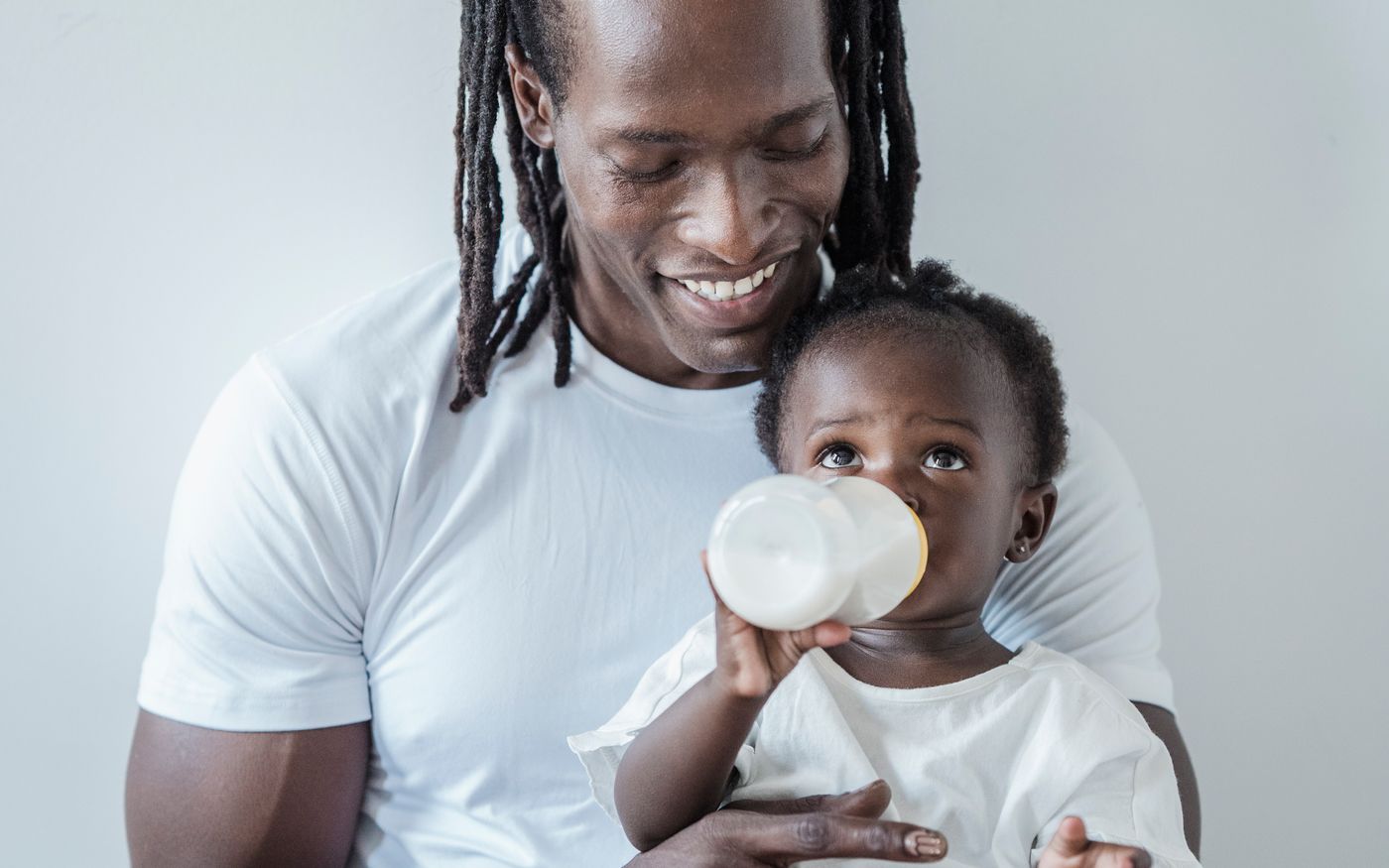
Many families start offering a cup around six months, then gradually move milk and water out of the bottle in the second year. There isn’t one correct birthday for the last bottle. A common window is sometime between 12 and 18 months, with some kids taking a little longer—especially for the bedtime bottle. If you’re unsure, ask your pediatrician, particularly if there are feeding, dental, or growth questions.
The aim is not to shame a comfort habit. It’s to help your child drink from a cup, protect their teeth, and keep milk from being a all-night pacifier in a bottle. The same “one change at a time” idea that helps with weaning off the pacifier applies here: pick a window that isn’t also a big move, a new baby’s first week, or a stretch of illness.
Start with the easy bottles, not the precious one
Most toddlers have a hierarchy. Mid-morning or afternoon bottles usually go first. Mealtime bottles can become a small open cup or a straw cup at the table. The last one is often the morning bottle or the bedtime bottle, because those are about comfort and routine, not just thirst.
A simple swap: at one daily feeding, pour the usual milk into a cup and sit with them while they try it. Offer water in a cup between meals. Keep the remaining bottles predictable so it doesn’t feel like every comfort disappeared at once. If they refuse the cup, stay calm, offer it again at the next planned swap, and don’t turn the table into a standoff.
Cups that help (and ones that stall you)
An open cup, practiced in small amounts, teaches a real drinking skill. A straw cup is a useful middle step and is often easier in the car than a wide-open cup. A hard-spout sippy can be a bridge, but if it becomes a second bottle they carry all day, you haven’t moved far. You don’t need a cabinet full of gadgets. One or two cups they can actually use is enough.
Practice when everyone is fed and unhurried—not at the moment you’d usually hand over the beloved bedtime bottle. A little water in an open cup in the bath or at a snack is lower-stakes practice than “this cup is now your whole breakfast.”
The bedtime bottle, and bottles in bed
If milk has been part of falling asleep, change the routine in pieces. Move the bottle earlier in the bedtime sequence—in a parent’s lap, in a well-lit room, before teeth are brushed—then finish with books and the usual sleep cues. That one shift already helps their teeth and makes the later drop less of a shock. Our bedtime routines guide can carry the rest of the evening once milk is no longer the last step.
Avoid sending a child to bed with a bottle in the crib or toddler bed. Milk pooling around teeth is a common reason dentists ask families to retire the night bottle. If they wake asking for it, offer water in a cup and the same short, boring sleep script you already use. It may be noisy for a few nights. It usually gets quieter.
A two-week fade that stays kind
A fade works better than a surprise cutoff for most toddlers. In week one, drop or swap the least important bottle, and practice the cup every day. In week two, move the next one, and keep a short “all done” phrase: “Bottles are all done for now. Here’s your cup.” If you want a faster change, you can pick a date, talk about it for a few days, and make a small goodbye ritual—draw a bottle, drop it in a box, celebrate the cup. Either path is fine if you’re consistent.
Expect some protest, some extra clinging, and maybe a few off days of drinking less milk. Offer milk in a cup at meals, serve other calcium-rich foods if they eat them, and call your pediatrician if you’re worried they’re barely drinking or peeing less than usual. Hunger at breakfast often looks different once a morning bottle is gone; our busy-morning breakfast ideas can help that first meal stand on its own.
What to say when they ask
- “Milk lives in a cup now. I can sit with you while you drink it.”
- “The bottle is all done. You can have a cuddle and a book.”
- “You’re learning to drink like a big kid. I’m right here.”
Don’t bargain a bottle back for every hard moment if you’ve already retired it. You can still offer comfort: a lap, a song, a water cup, a walk to the window. If a new baby has arrived and the older child is suddenly more attached to the bottle, go slowly and protect a little time that is only theirs, as in our guide to preparing a toddler for a new baby.
Early cup practice at meals is a self-feeding skill, long before the last bottle goes. See baby self-feeding milestones.
After the bottle, the next question is what belongs in the cup, and when. See toddler drinks: milk, water, and juice.
This guide is part of our mealtime guides, where related pieces are grouped in one place.
Quick FAQ
When should we start weaning off the bottle?
Many families start as the first birthday approaches, beginning with the easier bottles, not the precious bedtime one. “Done” can be gradual.
What cup should replace the bottle?
An open cup or a simple straw cup at the table is enough. A hard-spout sippy that travels all day can stall you. See toddler drinks for what belongs in the cup.
How do we handle the bedtime bottle?
Fade it last, after daytime bottles are gone, and keep the rest of bedtime intact. Sitting up for milk, then a book and bed, is safer than a bottle in bed.
The bottom line
Start with the easy bottles, practice a real cup when the stakes are low, move the bedtime bottle earlier in the routine, and fade instead of surprising them. A calm, consistent two-week plan beats a perfect speech—and a cup at the table is the habit you’re actually after.