
Start earlier than you think—and keep it simple
A new baby changes almost everything for a toddler: your attention, the furniture, the noise, and often the crib. You don’t need a curriculum. You need a few honest conversations, a couple of practice skills, and a plan for the first weeks so the older child doesn’t feel evicted.
Many families start talking about the baby around the start of the third trimester, or whenever the bump is obvious and questions start. Earlier than that, the wait can feel endless. Later is fine too—just avoid a surprise on the day you come home from the hospital.
What to say (and what to skip)
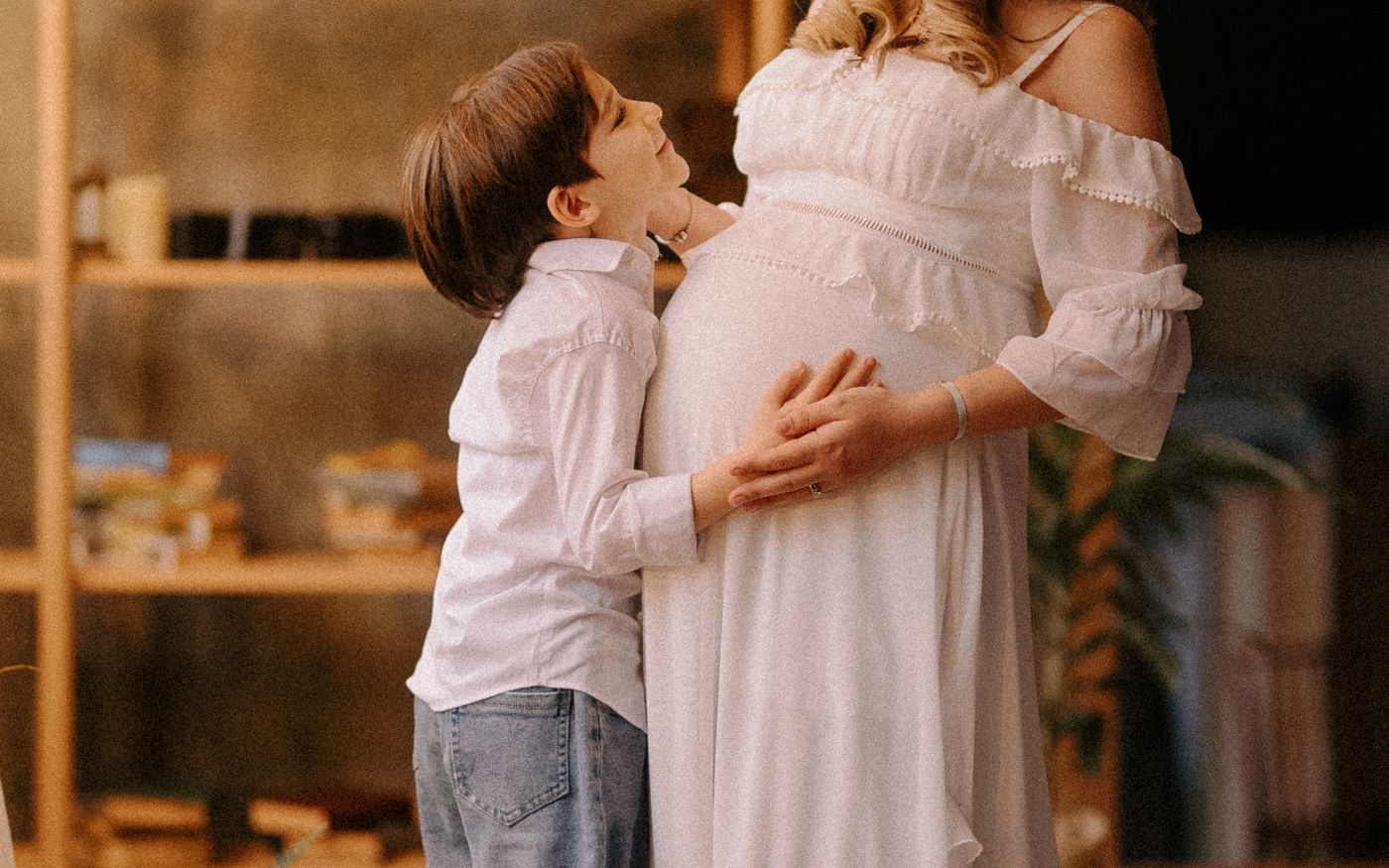
Use short, concrete language: “A baby is growing in my belly. After the baby is born, you’ll be a big sibling. The baby will sleep a lot, cry a lot, and can’t play like you do at first.” Let them feel the bump if they want to. Look at a book about becoming a sibling, and visit a friend with a baby if you have one, so a real infant isn’t their first experience.
Skip promises you can’t keep—“Nothing will change” or “You’ll love the baby.” Things will change. Love can take time. It’s kinder to say, “I’ll still have special time with you,” and then actually schedule it. For more language around mixed feelings, see our guide to talking to kids about feelings.
Change the big things before the baby arrives
If the toddler is moving out of a crib, start weeks or months ahead so it doesn’t feel like the baby took their bed. Our crib to toddler bed guide has a two-week plan. The same idea applies to a new room, a new childcare schedule, or dropping a pacifier: one major change at a time, and not in the week you come home.
Practice “wait a minute” in tiny doses now—while you finish a text or fold two shirts—so a feeding isn’t their first long wait. A special “big sibling” job that is actually useful (fetching a diaper, choosing a onesie, singing a song) works better than a trophy they can’t use.
The hospital stretch and the homecoming
If they’re visiting the hospital, keep it short, bring a small gift “from the baby” if that fits your family, and don’t force a cuddle or a photo. A wave and a look is enough. The more important moment is walking back into your house. Have a familiar snack, their own bed ready, and as few guests as you can manage on day one.
When people come to meet the baby, ask them to greet the toddler first. A two-minute “I came to see you too” changes the whole visit. If that’s not happening, you can model it: “We’re so glad you’re here. This is Maya—she’s been a great helper today.”
The first weeks: protect a little one-on-one time
Ten minutes a day of undivided toddler time—books, a floor puzzle, a walk to the mailbox—does more than a big “special day” that never quite happens. Put the baby in a safe place, or hand them to a partner, and be boring and present. Name the new reality without blaming the baby: “I’m feeding the baby, then it’s your turn for a book.”
Regression is common: more clinginess, broken sleep, potty accidents, baby talk. Treat it as a temporary request for closeness, not a step backward you have to stamp out. Keep the usual routines you can keep. Expect some rivalry later; our sibling rivalry scripts will be more useful in a few months than they are in week one.
When a feeling gets big
It’s okay if they say they don’t like the baby. You don’t have to talk them out of it. “You wanted it to be just us. It’s hard to share me. I’m still your parent, and I’m not going anywhere.” If they poke or grab, move the baby, stay calm, and coach a gentle touch later. Repair matters more than a forced kiss. Our guide to teaching kids to apologize has a simple three-part version when they’re ready.
If you’re worried about safety, never leave them alone with the baby, even “just for a second,” and give the toddler a safe outlet for rough play away from the bassinet. If anger or withdrawal is intense or lasting, talk with your pediatrician. Most toddlers adjust over weeks and months, not overnight.
A new baby can make an older toddler cling to a bottle again. Go slowly, and use the fade in weaning off the bottle when the first weeks have settled.
The same rule applies to a move as to a new sibling: one major change at a time, and a few familiar comforts that come along. See moving to a new house with kids.
This guide is also listed in our routines and behavior guides.
Quick FAQ
When should we tell a toddler about the baby?
Early enough to prepare, not so early that they worry for months. A simple, concrete explanation is enough. Skip details they cannot use.
Should we move them out of the crib before the baby arrives?
If a move is happening, do it well before the due date so it is not “the baby took your bed.” See the crib-to-toddler-bed guide for the transition itself.
How do we protect time with the older child after the baby comes?
Build a short, predictable one-on-one moment into ordinary days, even five minutes. Visitors can help with the baby so you can do it. Big feelings are allowed; hurting the baby is not.
The bottom line
Tell the truth in small words, move the big changes before the due date, greet the toddler first, and protect a little daily time that is only theirs. A new sibling is a long adjustment, not a single sweet photo—and a calm, honest plan makes the first months kinder for everyone.