
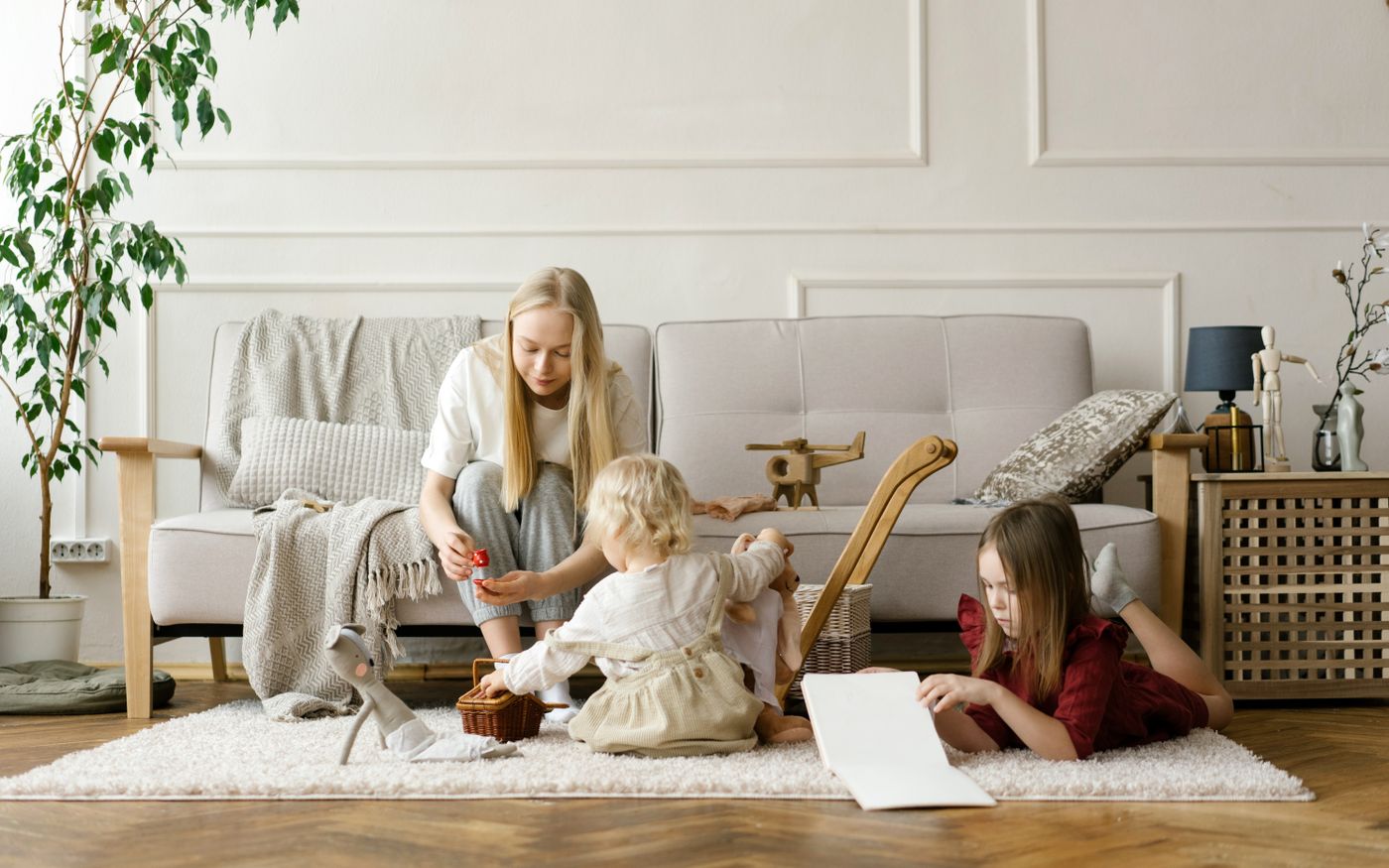
A first babysitter is a short try, not a long night
The first time you leave your kids with a babysitter does not have to be a late dinner and a late return. A daytime hour, or an evening that ends before bedtime, is a real first try. You’re testing the fit: can this person keep them safe, follow a few routines, and reach you if they need to?
This is different from a night at a grandparent’s house, which we cover in overnight at grandparents. A sitter is often newer, may be younger, and is in your house, with your rules. Start shorter than you think you need, and pick a night that isn’t already loaded with a sick child, a new baby, or a huge transition.
Choose someone you can brief, then brief them in writing
Use a person you or a trusted friend has actually seen with children, not only a name from a group chat. Meet in your home with the kids present before the first paid sit, even for twenty minutes. Watch how they get down on the floor, how they talk when a child says no, and whether they ask you useful questions.
Leave a one-page note, not a novel: your cell numbers, a backup adult, the pediatrician, your address, any allergies or medications, bedtime or snack rules, and where Band-Aids and the first-aid kit live. If you’ve already made a family emergency plan, give the sitter the meeting place and the same numbers. Show them the exits, the thermostat if it matters, and how to lock the door.
Say what is allowed and what isn’t: screens, food, leaving the house, baths, visitors, posting photos. If you don’t want a bath, say so. If a toddler still needs help in the bathroom, say exactly what that looks like. Our guide to bedtime routines is worth handing off in three bullets, not a speech at the door.
Tell the kids the plan, and keep the goodbye short
Name the person, the plan, and when you’ll be back: “Maya is staying with you. We’ll have dinner, and we’ll be home after your book.” Don’t sneak out, and don’t keep restarting the goodbye. A short, confident handoff is kinder than a long one that teaches them you might change your mind.
Leave a comfort object and a simple activity already started—a puzzle, blocks, a book—so the first minutes aren’t empty. If they cry at the door, that’s ordinary. Go, as you said you would, and have the sitter text you once things settle rather than putting a sobbing child on the phone immediately.
While you’re out, and when you get home
Stay reachable. A first sit is not the night to turn your phone off. Check in once if you need to, not every ten minutes, which can rattle a new sitter. If something feels off, you can come home early. That’s information, not a failure.
When you return, pay on time, ask how it went in front of the kids if that feels natural, and thank the sitter. Hear your child’s version later without turning it into a cross-examination. If the fit was good, book a slightly longer next time while it’s still fresh. If it wasn’t, you don’t have to repeat it just because you already paid for two hours.
Older kids can learn how to reach you and, when they’re ready, how to call for help in a true emergency—see teaching kids to call 911. A sitter still needs to know they’re the responsible adult in the house, not the child’s backup.
Money and timing belong in the first text, not at the door: the hourly rate, when you’ll be back, and whether you’ll need a few extra minutes. Have cash or a payment already ready. If the sit runs long, pay for the real time. A sitter who has to guess is less likely to come back, and you want the good ones to come back.
If you have two kids with different bedtimes, write both down and say which one the sitter should start first. A baby monitor, if you use one, should be shown, not assumed. Pets, a pool, or a trick door lock are the kind of house details that should be in the first walk-through, not a surprise at 8 p.m.
Tell the sitter whether kids are expected to answer the phone. See teaching kids to answer the phone.
This guide is also listed in our routines and behavior guides.
Quick FAQ
How should we try a first babysitter?
Start with a short outing, not a late night. Choose someone you can brief, leave the plan in writing, and keep the goodbye short.
What does the sitter need in writing?
Routines, food rules, bedtime, emergency contacts, and any medicine instructions. A short paper on the counter beats a long verbal tour they will forget.
What if the kids cry when we leave?
A short, confident goodbye and a sitter who can comfort them is the plan. You can check in once, and you can come home early if you need to. A first try that is shorter than you hoped can still lead to a second.
The bottom line
A first babysitter works when the try is short, the briefing is written down, and the goodbye is clear. Meet them with your kids first, leave the numbers and the real rules, stay reachable, and treat an early pickup as useful information. The night you can repeat is the one that counts.