
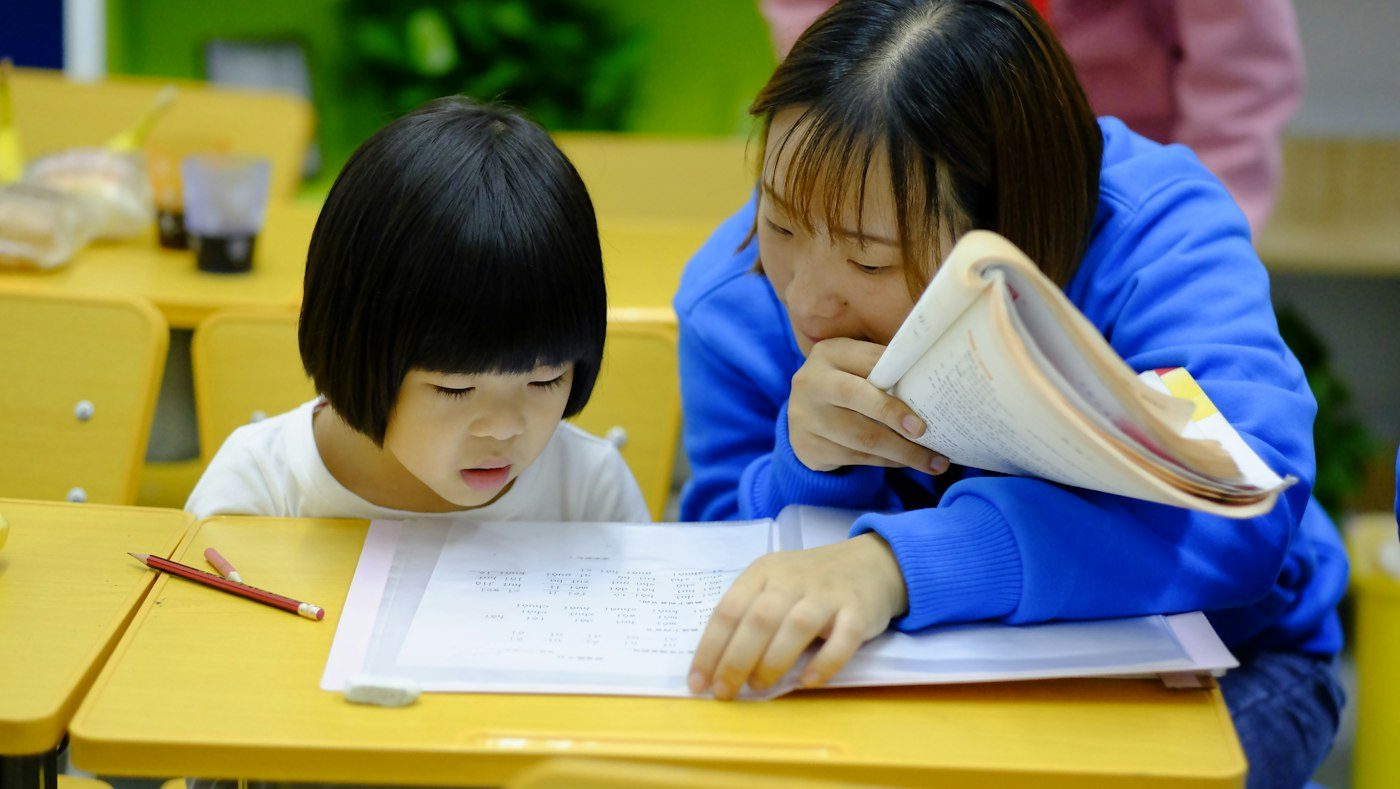
Make reading a cue-based habit
Attach books to something that already happens: after dinner, before bed, or right after the after-school snack. The cue matters more than the clock time. When life explodes, even one picture book keeps the streak alive.
Toddlers: interaction over perfection
Let them turn pages, name pictures, and choose the same book repeatedly (yes, again). Repetition builds vocabulary. Ask simple questions—“Where’s the dog?”—and follow their pointing. Keep sessions short and warm; ending before meltdown teaches that books are safe.
Preschool to early elementary: shared reading
Alternate pages when they’re ready. Echo read a sentence. Celebrate attempts without constant correction. Keep a basket of “just right” books in the room where evenings actually happen—not only on a high shelf in a quiet office nobody visits.
Grade school: protect pleasure reading
Assigned reading logs can drain joy. Counterbalance with choice: comics, graphic novels, sports magazines, and series count. Fluency grows on volume and interest. If homework reading is tense, separate “school reading” from “couch reading” so books aren’t only associated with timers—see also homework habits that stick.
Reluctant readers
- Lead with interest topics (dinosaurs, skateboarding, baking)
- Try audiobooks + print together
- Visit the library without a quota
- Model your own reading where they can see it
If decoding is unusually hard despite practice, talk with the teacher about screening for reading difficulties. Early support is kindness, not a label panic.
Home environment beats gadgets
Books in every common room, a cheap book light, and a weekly library ritual outperform most literacy apps. Screens can include stories sometimes—but print bedtime routines still win for wind-down. Pair reading with your evening wind-down inside a calmer after-school and evening routine.
Building a home library without buying everything new
Library holds, little free libraries, used bookstores, and school book swaps keep shelves fresh. Rotate a basket monthly so books feel new. Display covers facing out like a bookstore—kids pick what they see.
Multilingual and neurodiverse notes
Reading in a home language builds brain richness; don’t drop it for English-only pressure. For kids who struggle to sit, try movement reading (trampolines with audiobooks), shorter pages, or reading while snacking. Attention differences aren’t moral failures—adjust the format.
Celebrate storytelling broadly: oral family stories, comic panels, and recipes count as literacy lives. The through-line is language + meaning + warmth.
Streaks without pressure
A paper calendar with stickers can motivate—until missing a day feels like failure. If you use streaks, allow “weekend catch-up” grace. The point is identity (“we’re a reading family”), not perfectionism.
Sick days and travel: audiobooks in the car count. So does a parent reading while a child draws. Keep the association warm.
Working with schools
Ask teachers which decoding skills are in focus. Reinforce with games at home rather than duplicating worksheets. If your child is advanced, request richer book options so reading log minutes don’t become busywork on too-easy text.
Conversation starters that build comprehension
Try: “What do you think will happen next?” “How is this character feeling?” “Does this remind you of anything in real life?” “What was the funniest / weirdest part?” Keep it playful. Interrogation vibes kill coziness.
For nonfiction, ask what they want to remember tomorrow. For fiction, ask who they’d befriend. These tiny talks turn decoding into thinking.
When siblings share reading time
Alternate who picks the book. Let older kids read a page to younger ones. Mixed-age reading builds leadership and warmth—even if it’s chaotic. Separate one-on-one time weekly if rivalry spikes.
Keep a rainy-day stack and a bedtime stack so choices are easy when everyone is tired. Decision fatigue is the enemy of streaks.
If a title is a dud, abandon it without guilt. Life is too short for miserable books in the name of finishing.
Put it into practice this week
Choose a cue tonight—after dinner or before bed—and put three books within reach of that spot. Set a phone timer for ten minutes so you’re not watching the clock judgmentally. Let your child pick, even if it’s the same title again. When the timer ends, you may continue if everyone’s happy. Tomorrow, repeat. By day four the cue will start pulling you without a debate. That is the habit forming.
Libraries, bookstores, and the joy of browsing
A weekly library visit turns reading into an outing, not a chore. Let kids request holds online when they’re old enough—their anticipation is half the fun. Bookstore gift cards for birthdays keep the habit funded without cluttering your own wallet every month.
If attention is short, try “two-page treaties”: agree to two pages, then renegotiate. Often they continue. The start is the hard part; lower the on-ramp.
The bottom line
Reading with kids every day is a relationship practice: same cue, short sessions, lots of choice, and zero shame. Toddlers need interaction; grade-schoolers need pleasure protected beside schoolwork. Keep showing up with books—the compound interest is real.