
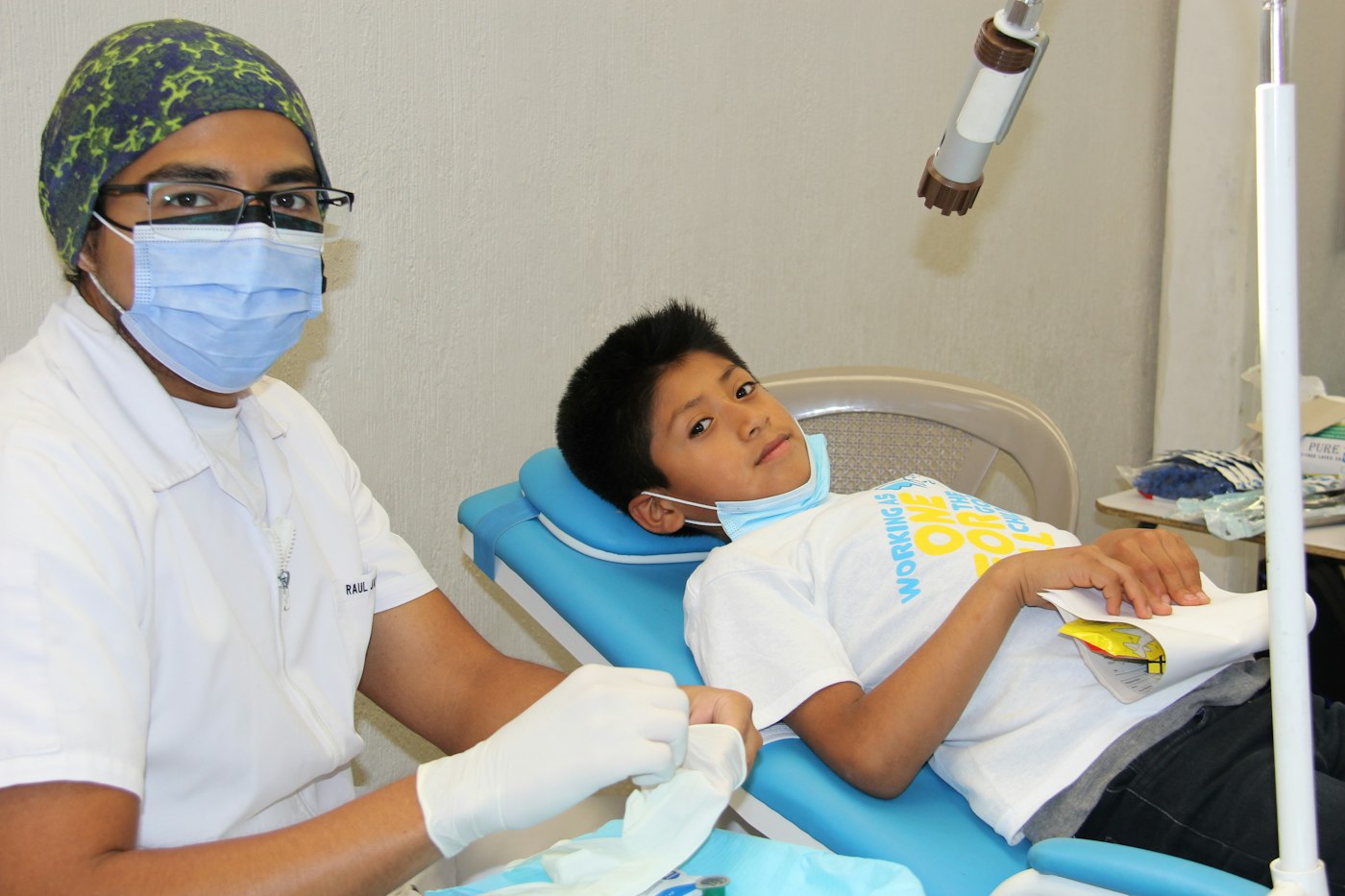
When should the first visit happen?
The American Academy of Pediatric Dentistry and the American Dental Association both recommend a first dental visit when the first tooth comes in, or by the first birthday—whichever comes first. That surprises many parents, who assume dentists start at age three. An early visit is less about fixing problems and more about catching risks early and getting your child used to the office before anything hurts.
If your child is already past one and has not been, that is fine. Book now. Many kids have their first visit at two, three, or four, and it goes well.
Pediatric dentist or family dentist?
Pediatric dentists complete extra training in treating children, and their offices are built for kids: small chairs, ceiling TVs, prize boxes, and staff used to nervous toddlers. A family dentist who sees lots of children can also be a great fit. Ask friends, your pediatrician, or your insurance list, and call ahead to ask how they handle very young or anxious patients. Medicaid and CHIP include dental coverage for kids, so cost should not stop the first visit.
What actually happens at the first visit
For babies and young toddlers, the visit is often short—sometimes 15 to 30 minutes. Many dentists use a “knee-to-knee” exam: you sit facing the dentist, your child lies back with their head in the dentist’s lap, and you hold their hands. Crying is common and completely expected; it even makes it easier to see the teeth.
A typical first visit includes:
- A look at the teeth, gums, and bite
- A gentle cleaning or tooth wipe
- Fluoride varnish painted on the teeth (quick and painless)
- Questions about feeding, brushing, bottles, and pacifiers
- A demonstration of how to brush your child’s teeth
X-rays are usually not part of a first visit for a young child unless the dentist sees a specific concern. Older first-timers may sit in the chair on their own and get a full cleaning.
How to prep at home (one to two weeks ahead)
- Read a picture book about going to the dentist a few times. Your library likely has several.
- Play dentist — Take turns lying on the couch while the other counts teeth with a toothbrush and a small mirror. Let your child be the dentist for a stuffed animal.
- Practice “open wide” — Make it a game: lion mouth, crocodile mouth, then count to ten.
- Watch a short kid video of a dental visit together, if your child likes screens.
- Keep the talk light — One or two mentions a day is enough. Too much buildup can create worry.
Words to use and words to skip
Adults sometimes pass on their own dental nerves without meaning to. Simple, neutral language helps:
- Use: “The dentist will count your teeth.” “They’ll tickle them clean.” “They’ll check that your teeth are strong.”
- Skip: “hurt,” “shot,” “needle,” “drill,” and “pain.” Even “it won’t hurt” plants the idea that it might.
Let the dental team handle the explanations. They use kid-friendly words like “Mr. Thirsty” for the suction tool and “sugar bugs” for plaque, and they are good at it.
Timing and day-of tips
- Book a morning slot when your child is rested, not right before nap.
- Feed them beforehand — a hungry toddler is a cranky patient. Brush after the snack.
- Bring a comfort item, like a favorite stuffed animal or blanket.
- Arrive a few minutes early so paperwork does not eat into calm time in the waiting room.
- Stay calm yourself — kids read your face. If you are nervous about dentists, ask your partner or a grandparent to come along.
If your child is anxious, tell the front desk when you book. Many offices will schedule a quick “happy visit” where kids just sit in the chair, ride it up and down, and pick a sticker.
Questions worth asking
- How much toothpaste should we use? (Typically a rice-grain smear of fluoride toothpaste under age three, and a pea-sized amount from three to six.)
- Is our water fluoridated, and does that change anything?
- How long can my child keep using a pacifier or sucking their thumb?
- Should we stop bottles at bedtime, and when should cups take over?
- What are our child’s cavity risks, and how often should we come in?
- When should we think about sealants on back molars?
After the visit
Praise specific effort: “You opened so wide, and you held still while they counted.” Skip candy as a reward—pick a sticker, a trip to the park, or an extra bedtime story instead. If the visit was rough, keep it low-key. Many toddlers who cry the first time are fine by the second or third.
Put the next checkup on the calendar before you leave. Most kids go every six months.
Make brushing part of the day
The dentist sees your child twice a year; you see their teeth every day. Brush twice a day for about two minutes, and help with brushing until your child has the coordination to do it well—often around age seven or eight. Start flossing once two teeth touch. Building brushing into a steady bedtime routine makes it automatic instead of a nightly argument.
Limit sipping juice or milk throughout the day, and avoid bottles in bed. Frequent sugar exposure matters more than the total amount.
Dental emergencies to know about
Falls and bumps to the mouth are common with young kids. If a baby tooth is knocked out, do not put it back—call your dentist. If a permanent tooth is knocked out, hold it by the crown, rinse it gently, and put it back in the socket if you can, or store it in milk and get to a dentist right away. Add your dentist’s number to your home first aid kit notes.
The bottom line
Book the first dentist visit by your child’s first birthday or first tooth. Practice at home, choose calm words, pick a rested time of day, and let the dental team lead. A short, friendly first visit is the start of a lifetime of easier checkups.